What Is Kokum Butter and Why Is It Used in Night Creams?
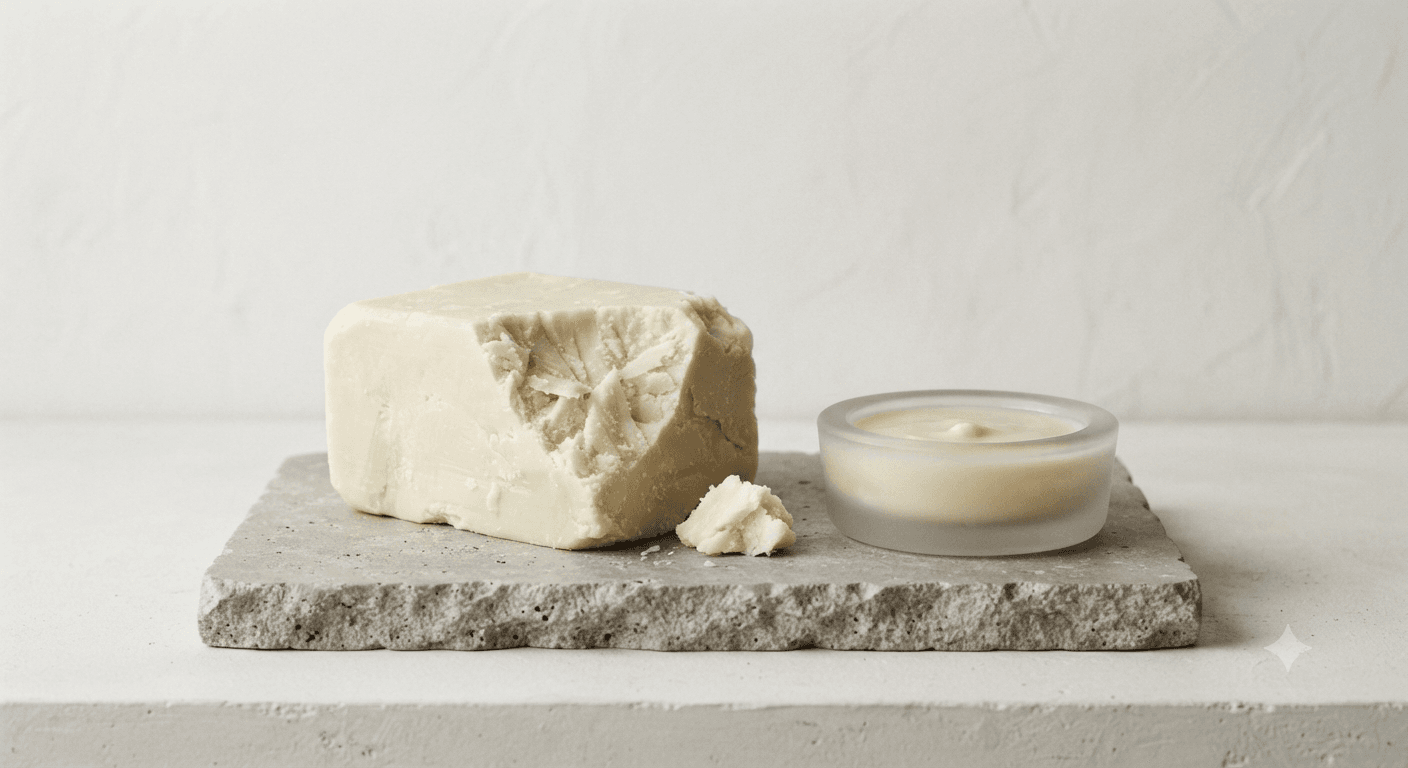
Kokum Butter is often listed without explanation of what it actually does in a formula. Here is the structural, fatty-acid-level reason it appears in night creams rather than day formulas.

Kokum Butter is often listed without explanation of what it actually does in a formula. Here is the structural, fatty-acid-level reason it appears in night creams rather than day formulas.
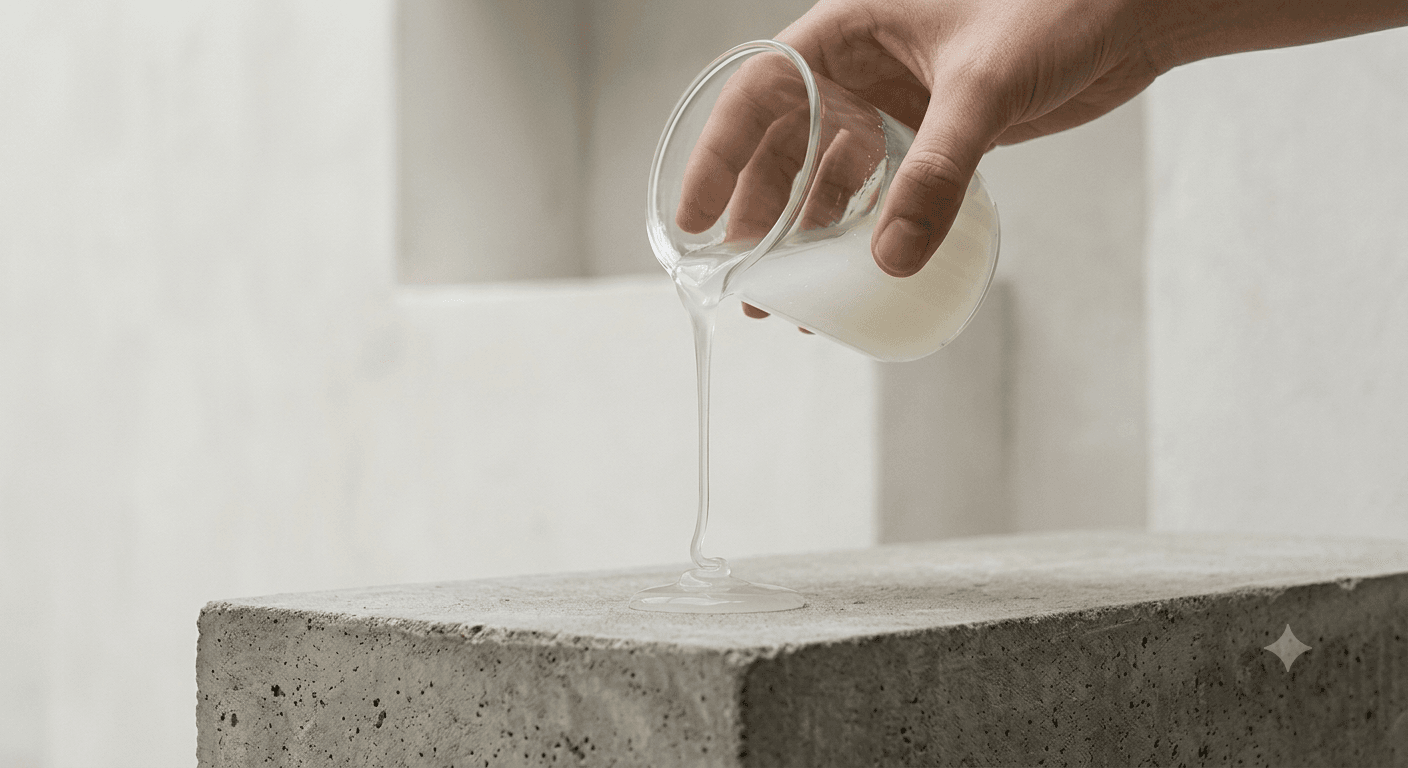
Gel cleanser texture is not decided by one ingredient, but by a small system of thickeners working together. Here is what actually controls how a gel pours, feels, and holds up over time.
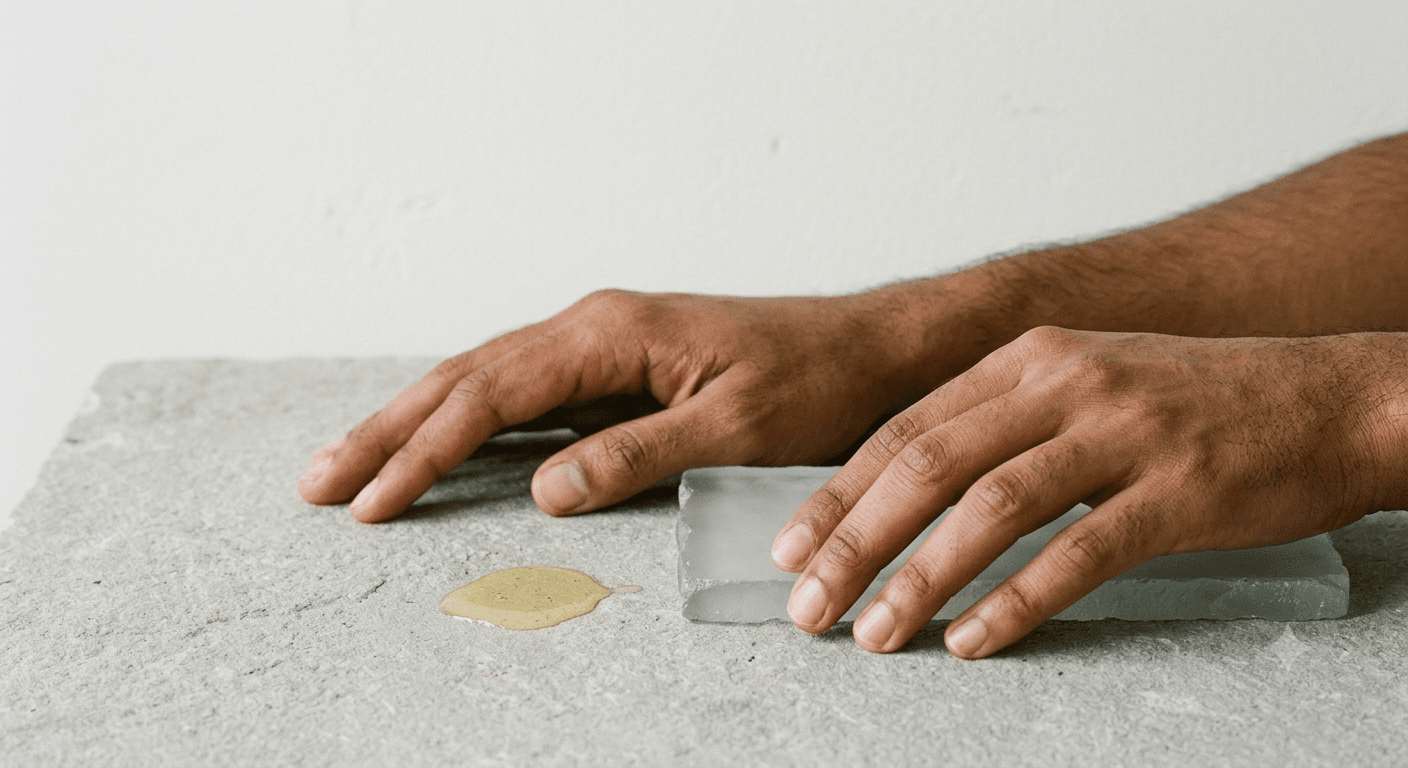
Jojoba oil is frequently avoided by people with oily skin, based on the assumption that any oil will worsen shine or breakouts. This article explains why its molecular structure behaves differently from most plant oils, and what that means for oily and combination skin.
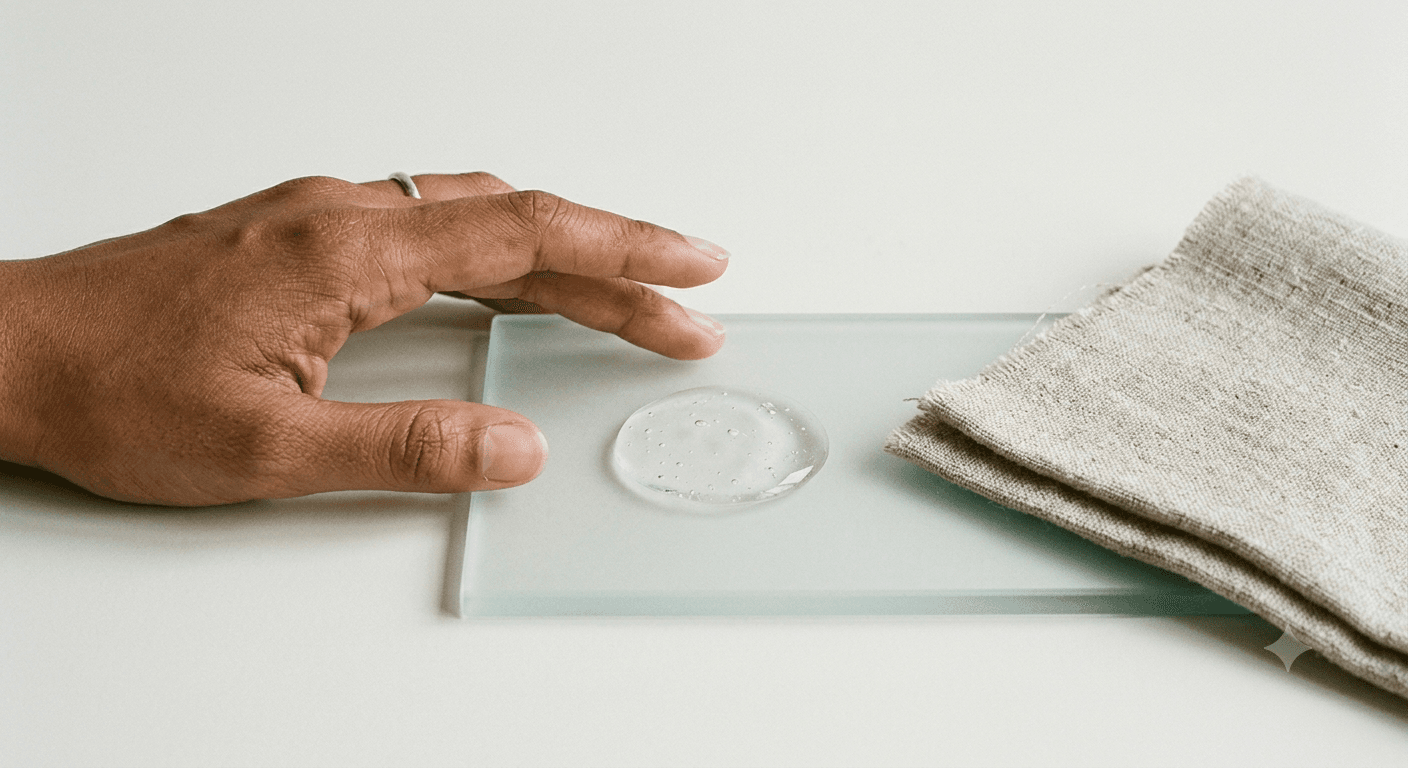
Propanediol is often used instead of glycerin for a lighter, less tacky humectant effect, but the two rarely fully replace each other in a well-built formula. This article explains why the substitution happens and what it means for how a moisturizer performs across Indian seasons.

Decyl glucoside is frequently marketed as a gentle surfactant, but its mildness depends on the surrounding formulation, not the ingredient in isolation. This article explains the underlying chemistry and how it holds up under Indian climate conditions.
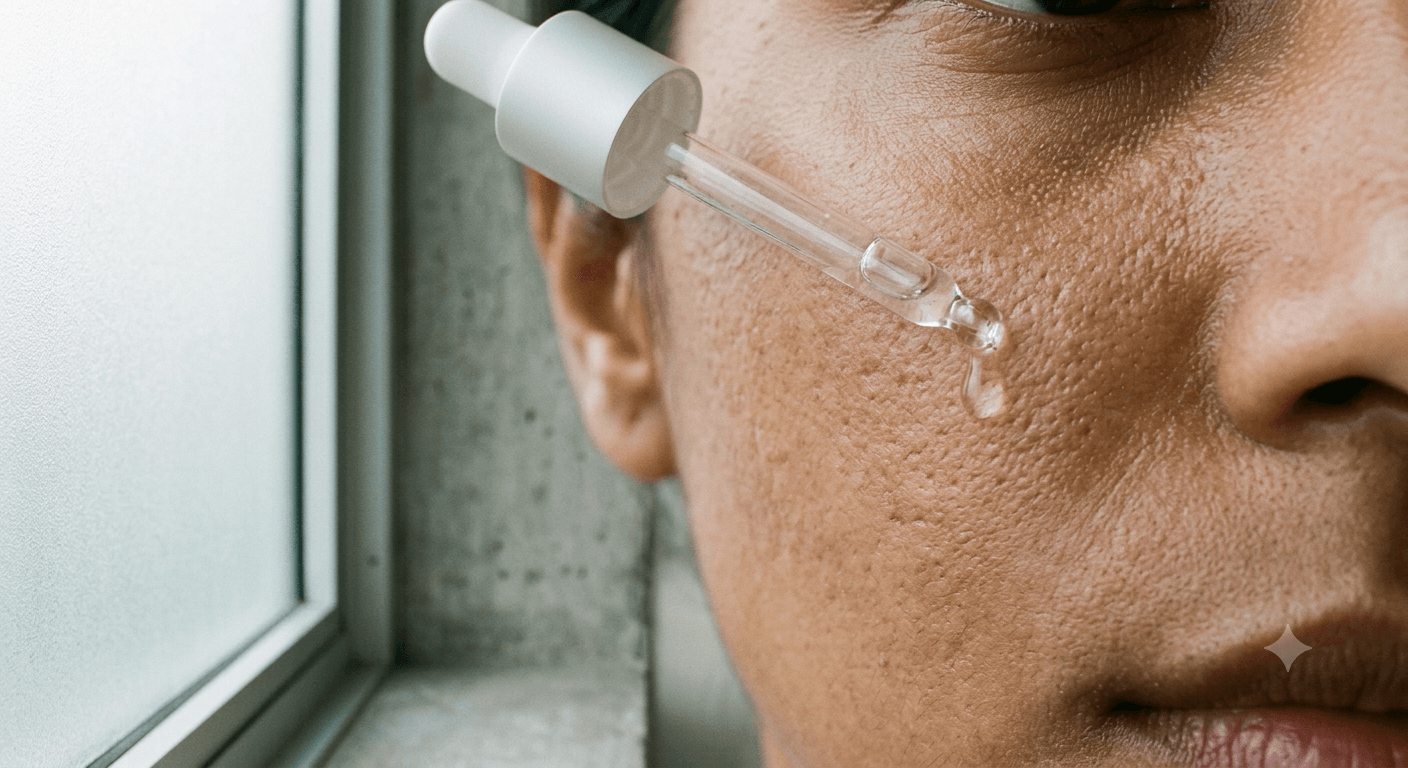
Hyaluronic acid is marketed as a hydration ingredient, but in low-humidity air-conditioned rooms it can pull water out of skin instead of into it. This article explains the mechanism and how to prevent it.
Face wash removes more than dirt — it can strip moisture too. This article explains why hydrating ingredients are added to cleansers and what that means for skin in Indian conditions.

The natural moisturizing factor is the biological system that determines how well your skin holds water. When it is depleted, applying more moisturizer does not fix what is broken at the structural level.
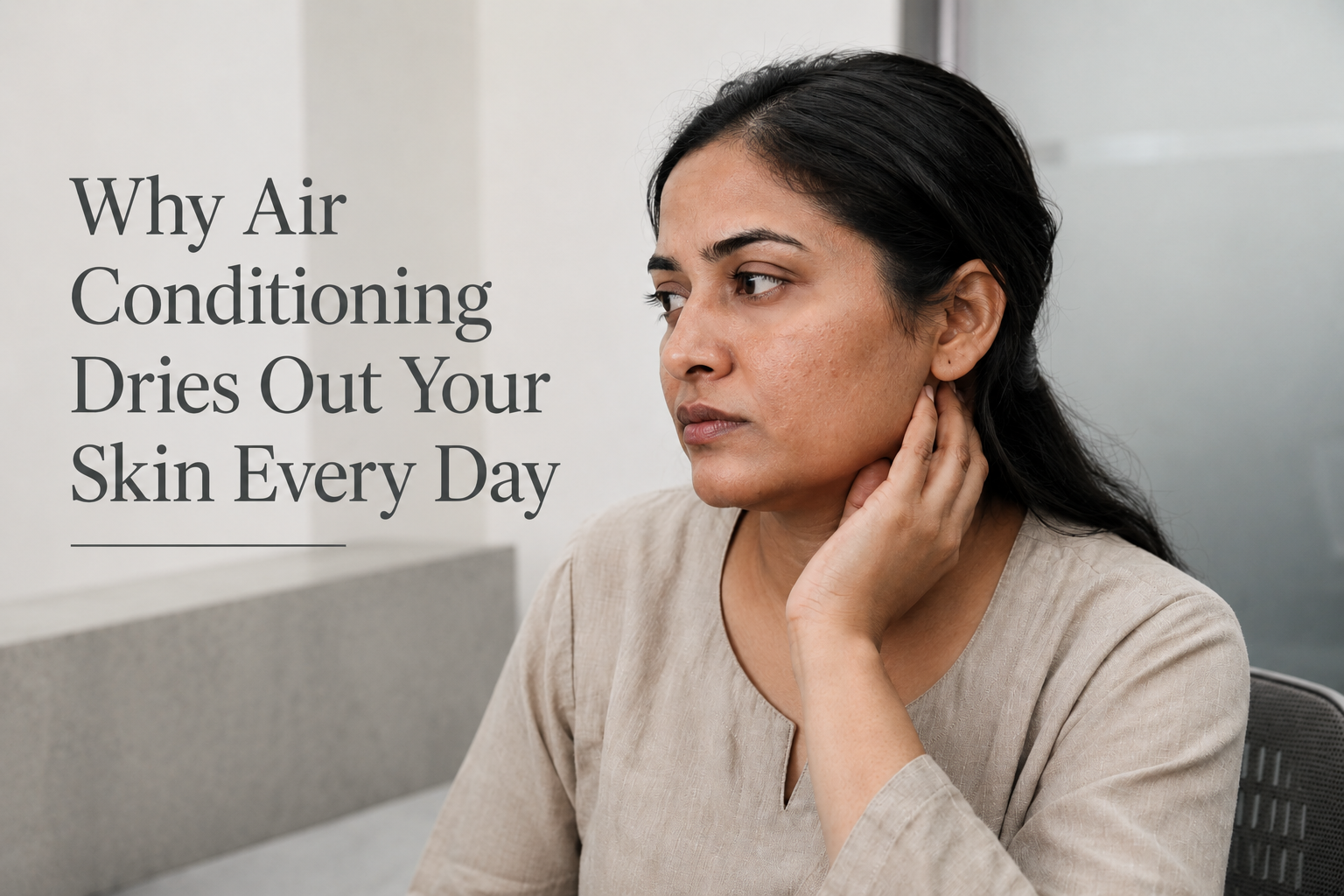
Air conditioning dries out skin by reducing indoor humidity and accelerating moisture loss through the outer skin layer. Understanding this mechanism explains why skincare routines that work outdoors frequently fail in climate-controlled environments.
Preservatives in skincare are a safety requirement, not a marketing variable. This article explains why water-based formulas without effective preservation systems carry real microbial risk — and what to look for on a label before you buy.