Why Cocoa Butter Feels Rich but Fades by Noon
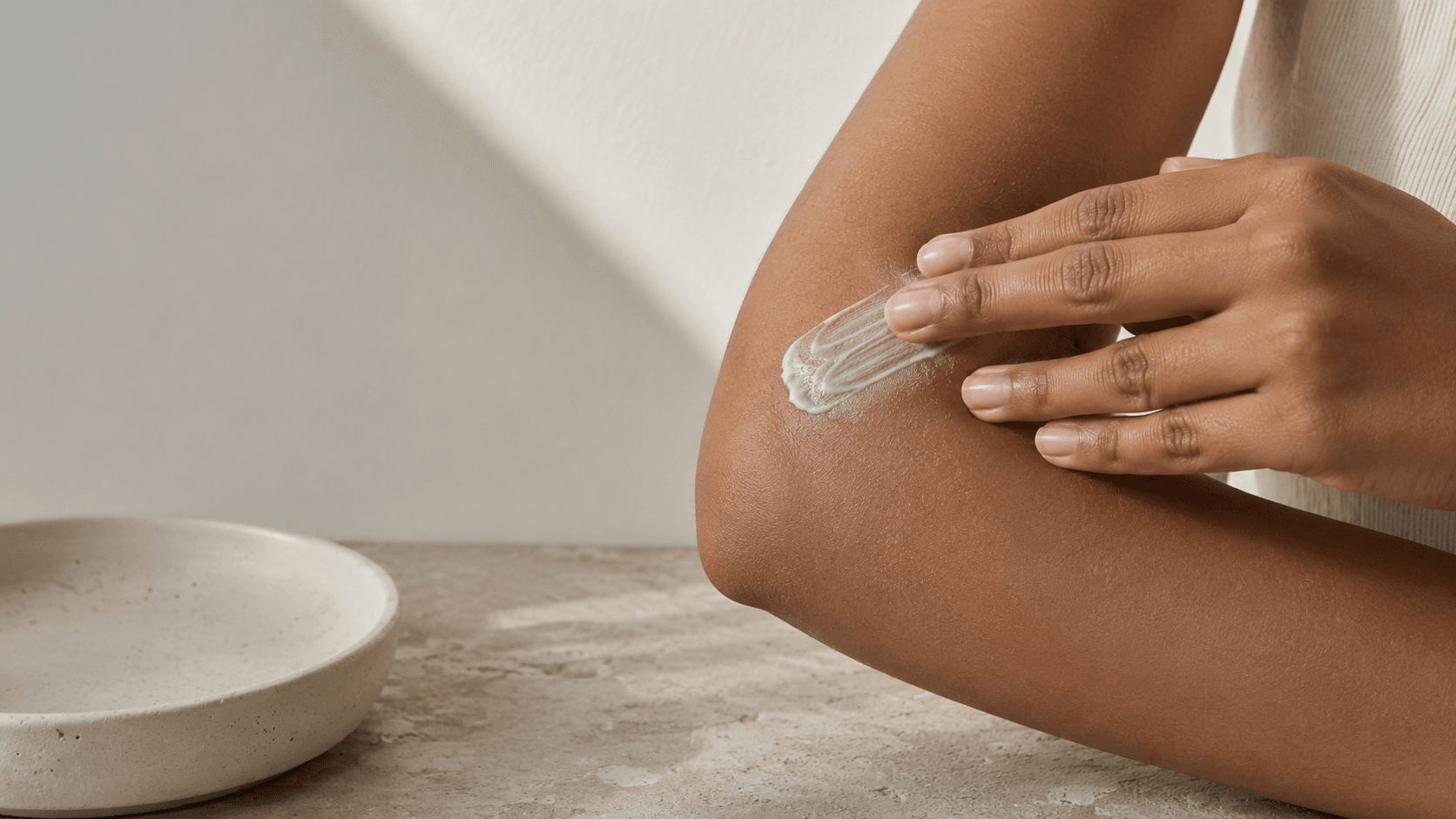
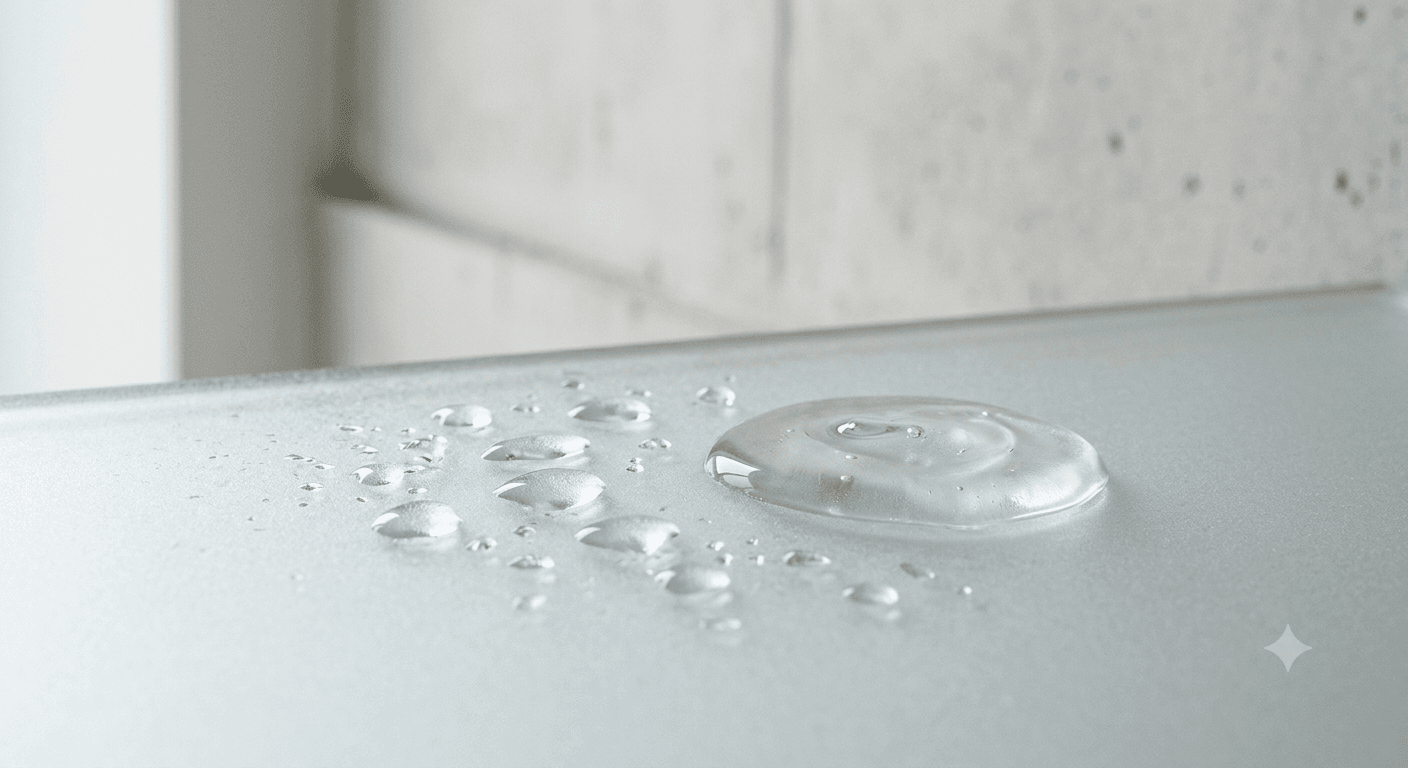
Close-up of cocoa butter cream application illustrating occlusive versus humectant hydration

Cocoa butter is often sold on richness, but richness and lasting hydration work through different mechanisms. This article explains why an occlusive fat needs a humectant partner to actually hold water in skin.

Why Your Moisturiser Needs Fatty Acids to Work

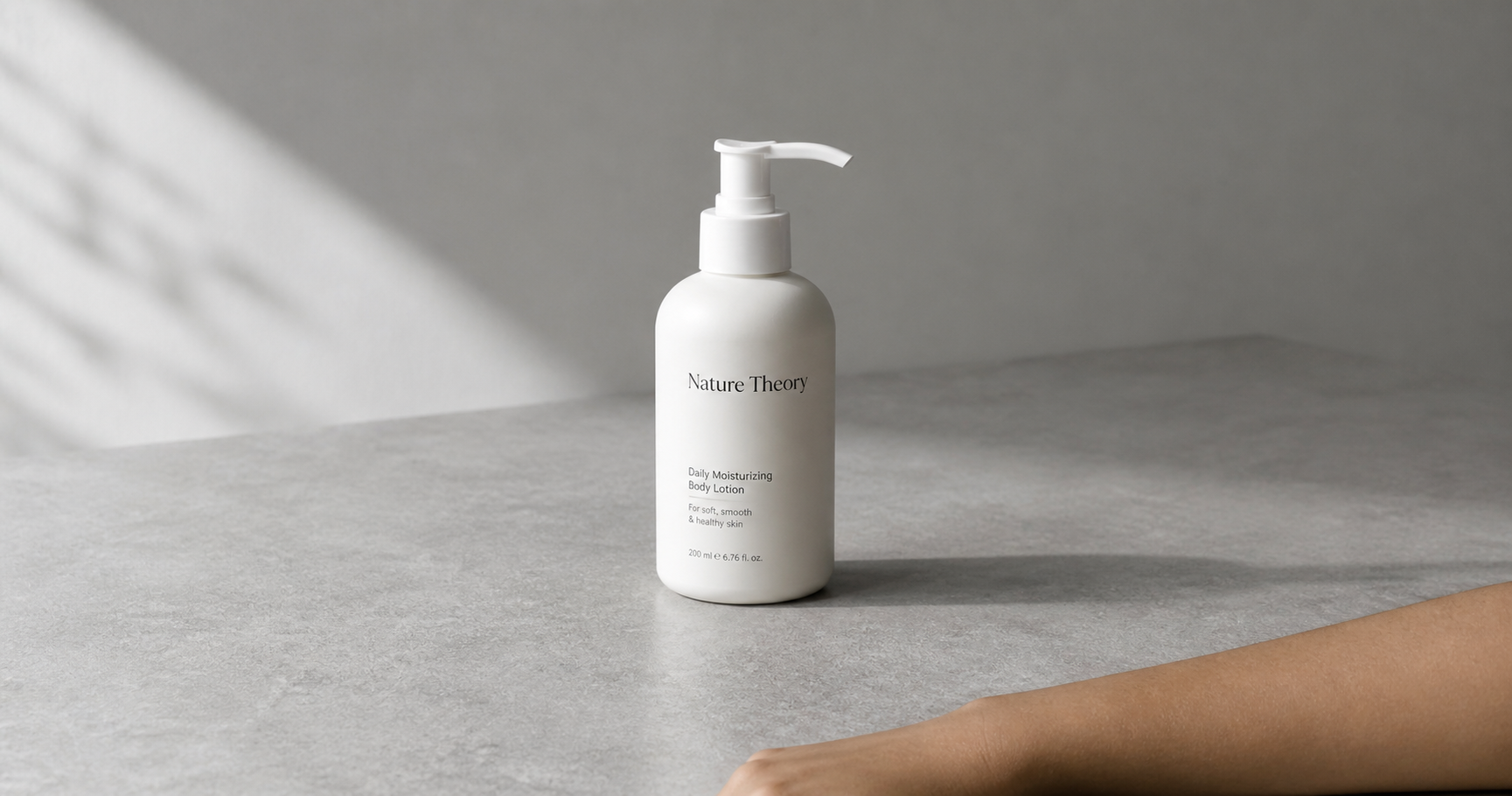
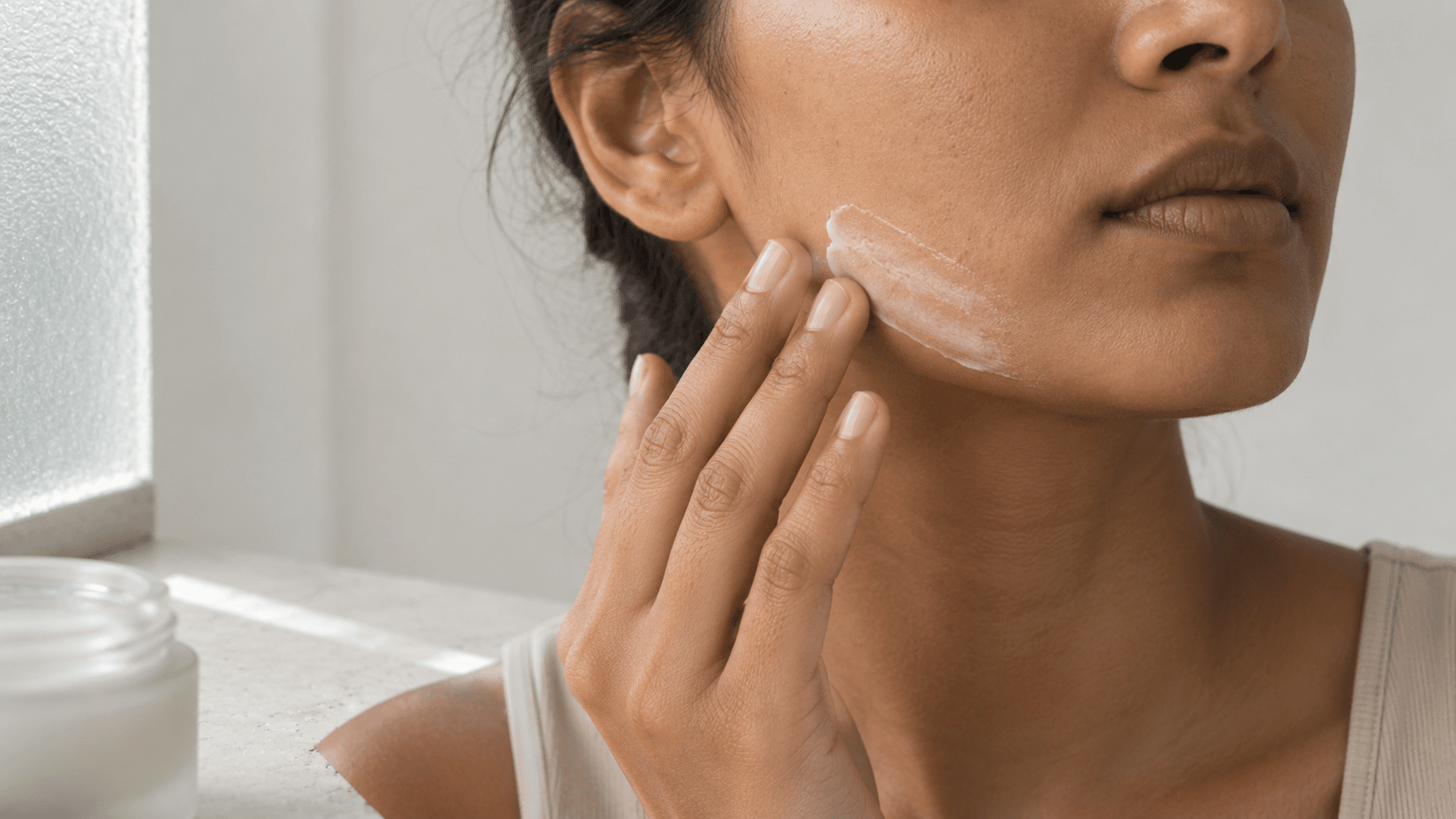
Close-up of skin barrier lipid application illustrating the role of fatty acids in skin repair

Fatty acids make up a third of the lipid structure that holds the skin barrier together, yet most creams are marketed on texture rather than lipid ratio. This article explains why a rich-feeling cream can still leave a barrier under-repaired.

What Ceramides Do for Your Skin Barrier

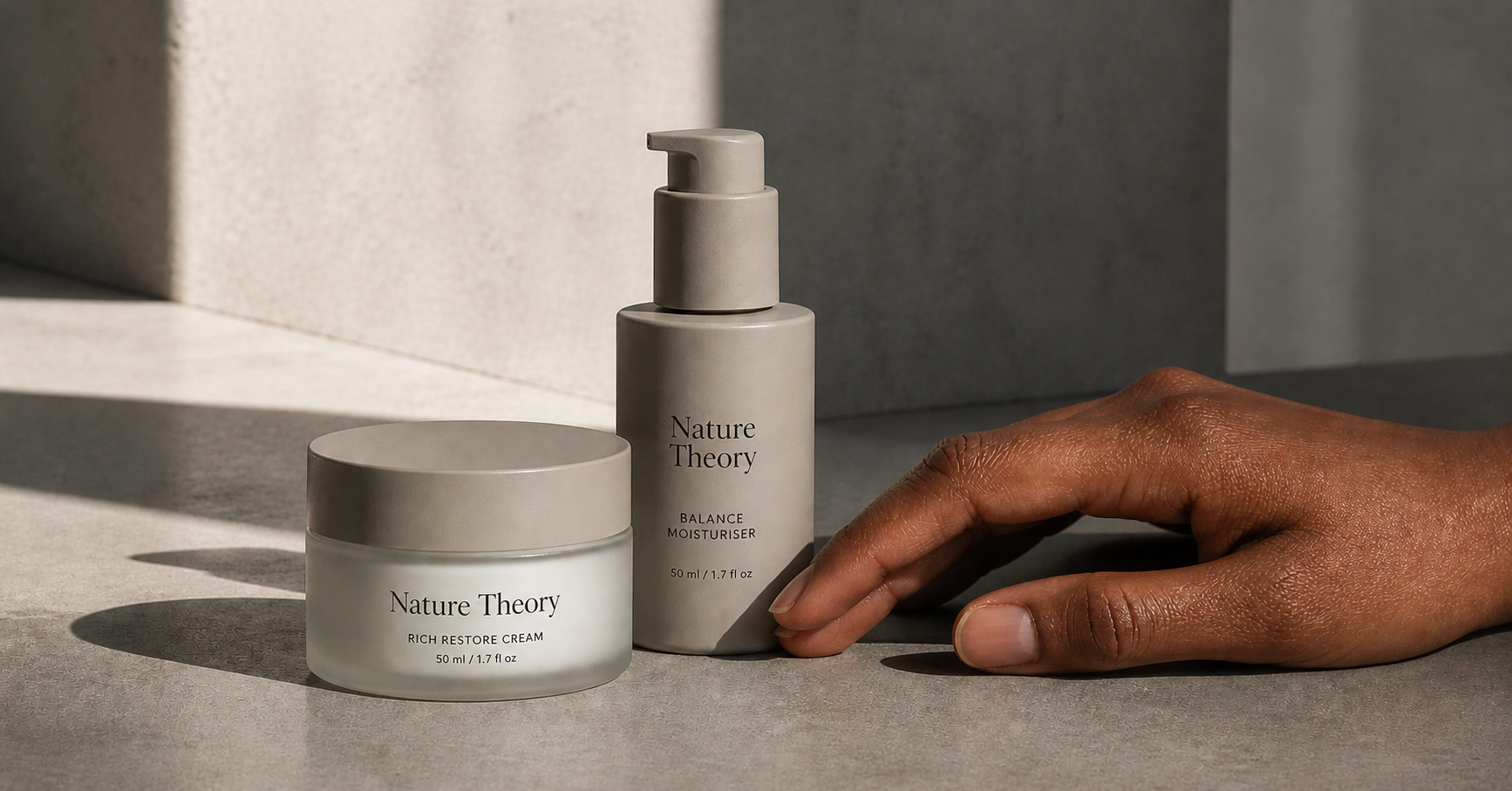
Close-up of skin barrier structure illustrating what ceramides do for skin

Ceramides are structural lipids, not standalone actives, and they only work in the correct ratio with cholesterol and fatty acids. This article explains why a barrier low on ceramides breaks down faster under Indian heat, hard water, and AC exposure.

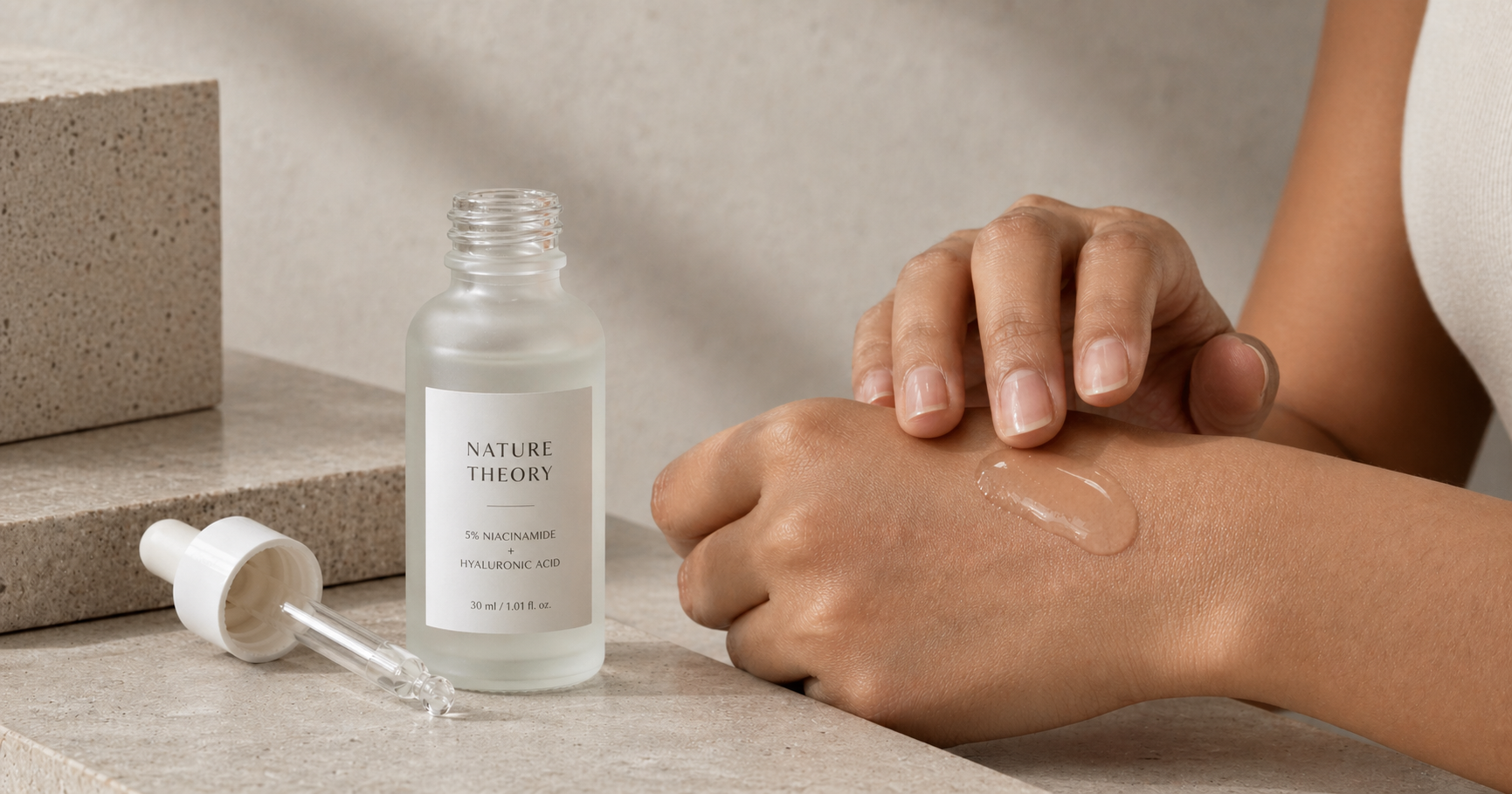
Why Your Hydrating Serum Stops Working — Sodium Hyaluronate vs Hyaluronic Acid Explained

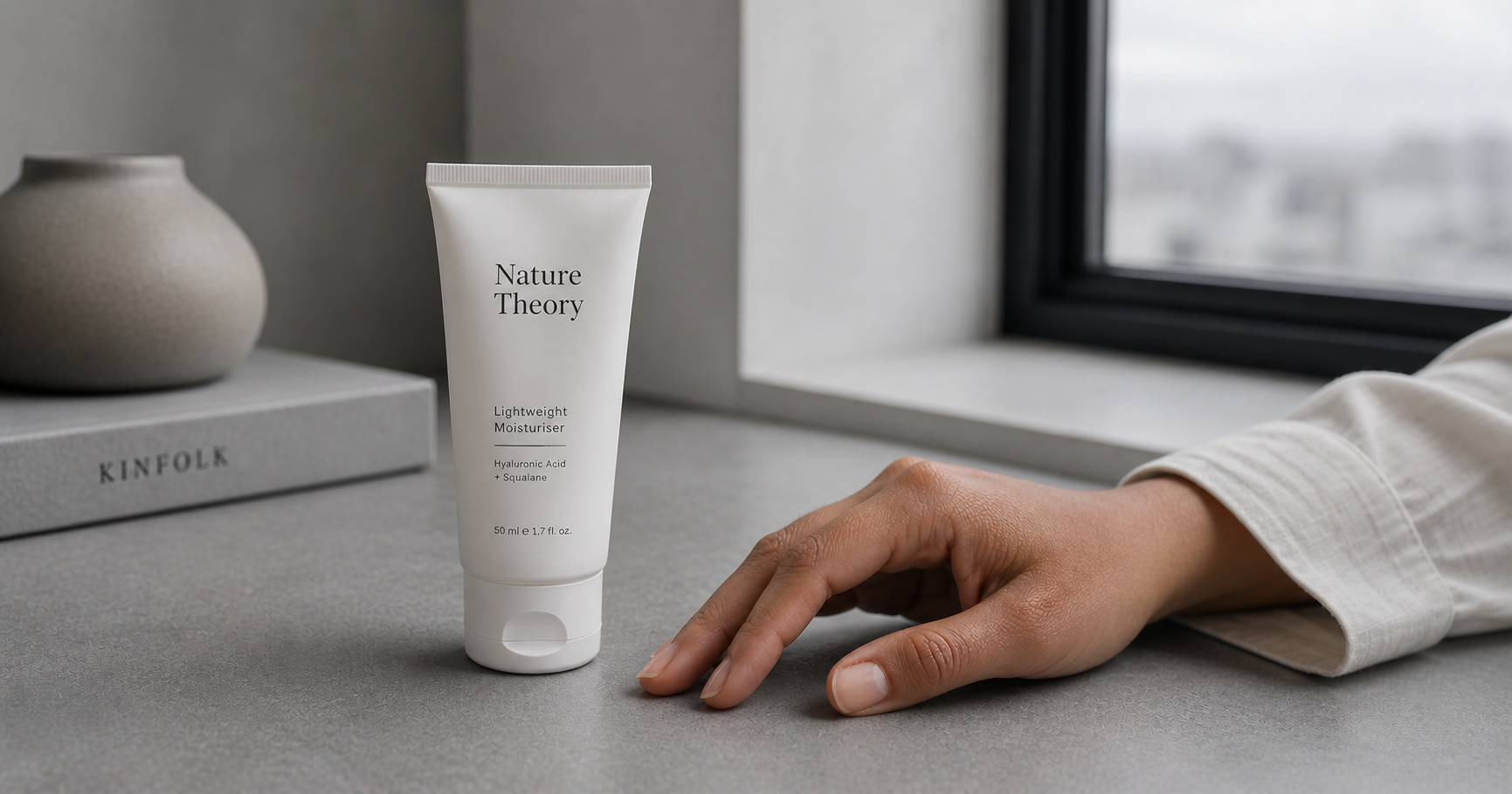
Hydrating serum showing sodium hyaluronate vs hyaluronic acid formulation concept

Users searching this topic want to understand the real difference between sodium hyaluronate and hyaluronic acid and why hydration products may not work as expected. They are looking for clear, science-based explanations that help them choose better formulations.

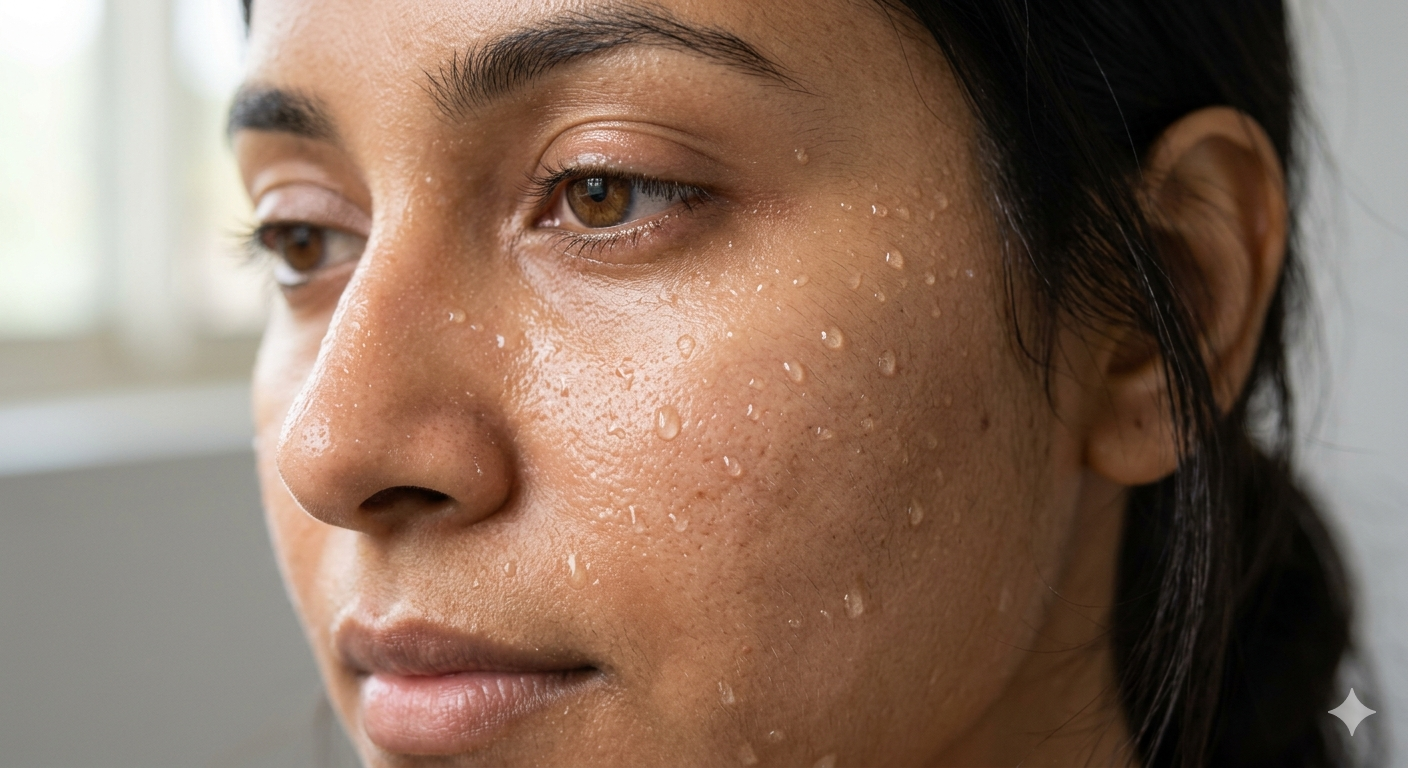
Your Skin Feels Tight After Washing. Cleanser pH Is Why.

face washing showing effect of cleanser pH on skin comfort

Cleanser pH determines whether your skin barrier remains stable or becomes more permeable during washing. In Indian conditions, where hard water, humidity shifts, and frequent cleansing are common, this directly influences TEWL, hydration loss, and post-wash tightness.