Why Indian Weather Demands Different Day and Night Creams
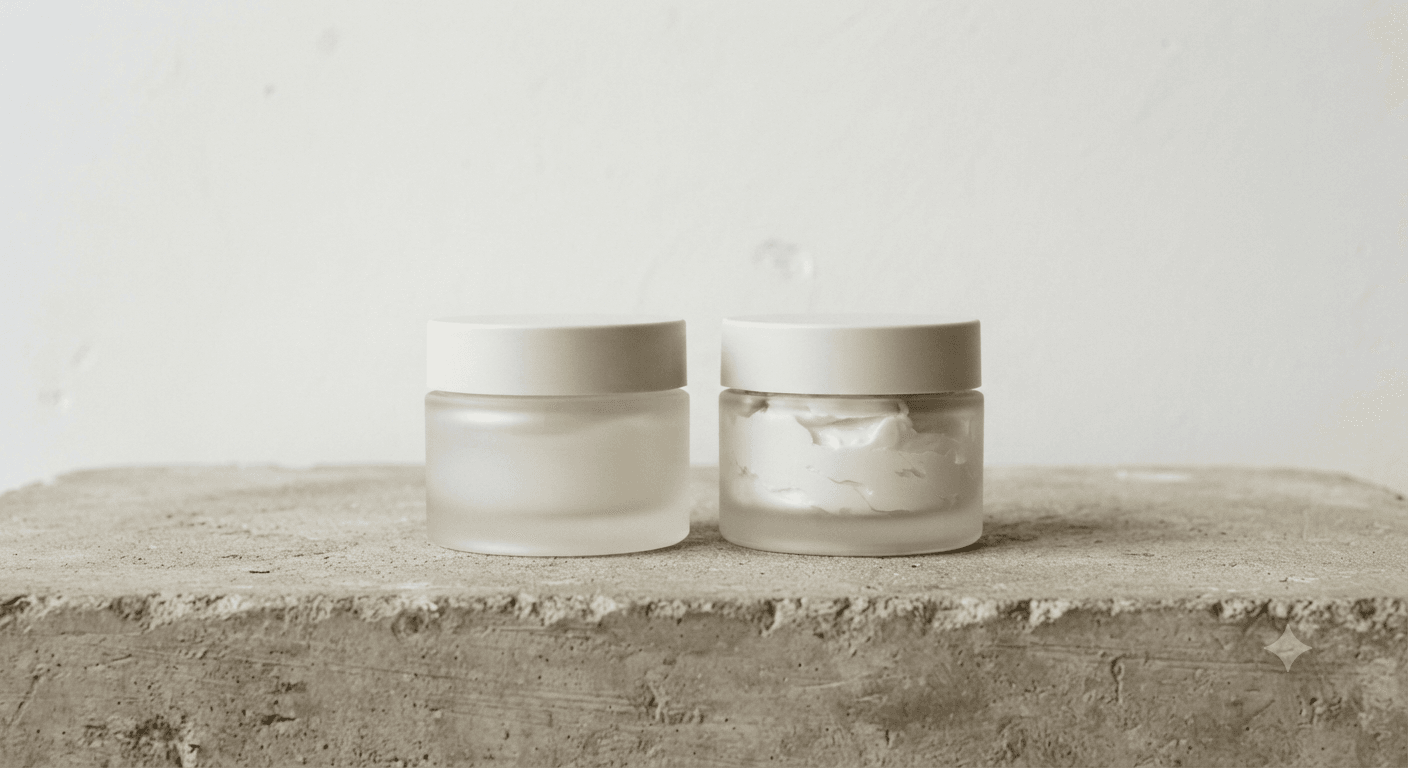
Two cream textures illustrating differences between day and night creams

Day and night creams are often used interchangeably, on the assumption that a cream is a cream. Here is the formulation reason Indian heat, humidity, and AC exposure require two distinct formulas.
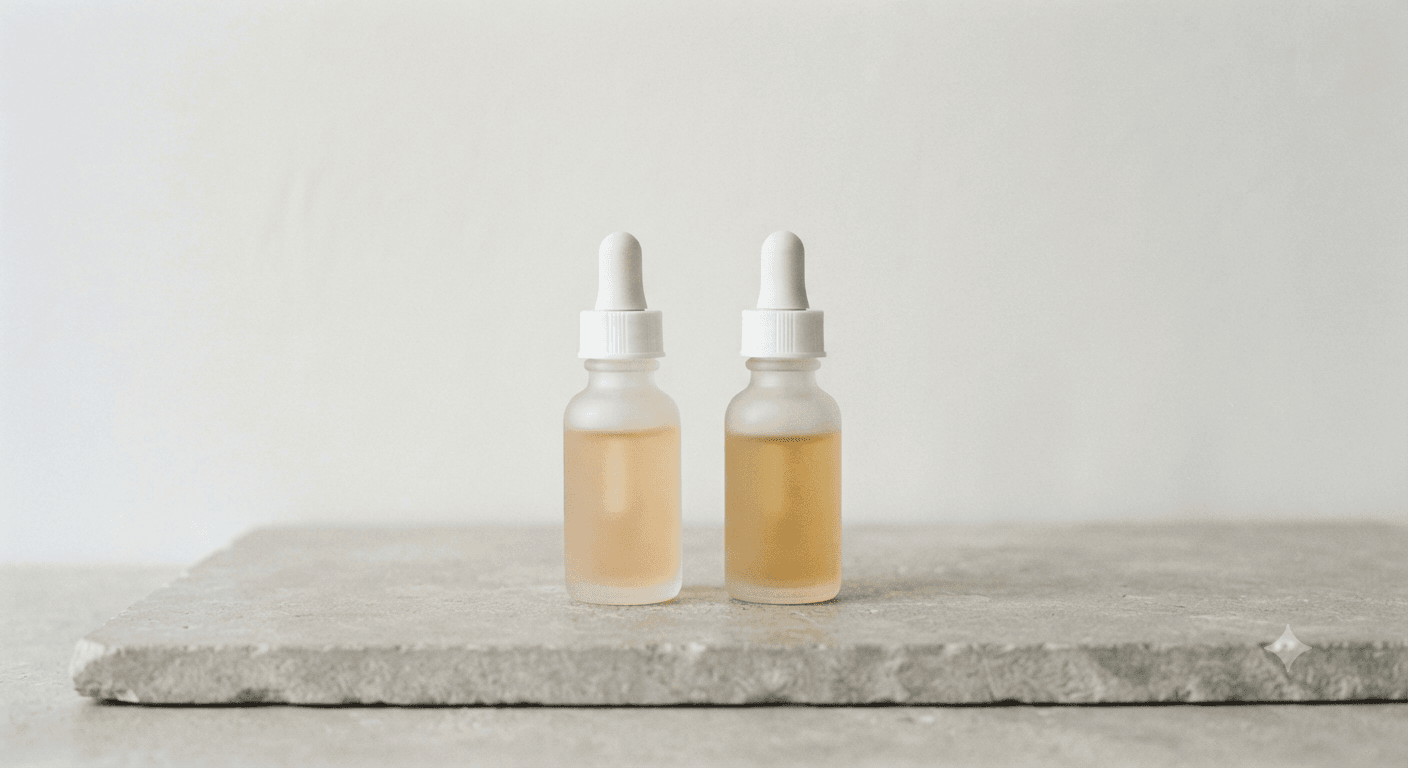
Bakuchiol vs Retinol: Which One Actually Wins?

Two active ingredient droppers illustrating Bakuchiol vs Retinol comparison

Bakuchiol vs Retinol is usually framed as a simple trade of potency for gentleness. Here is what the actual research says, and why the comparison is not as one-sided as most articles suggest.

Why Cleansers Use Multiple Surfactants, Not Just One

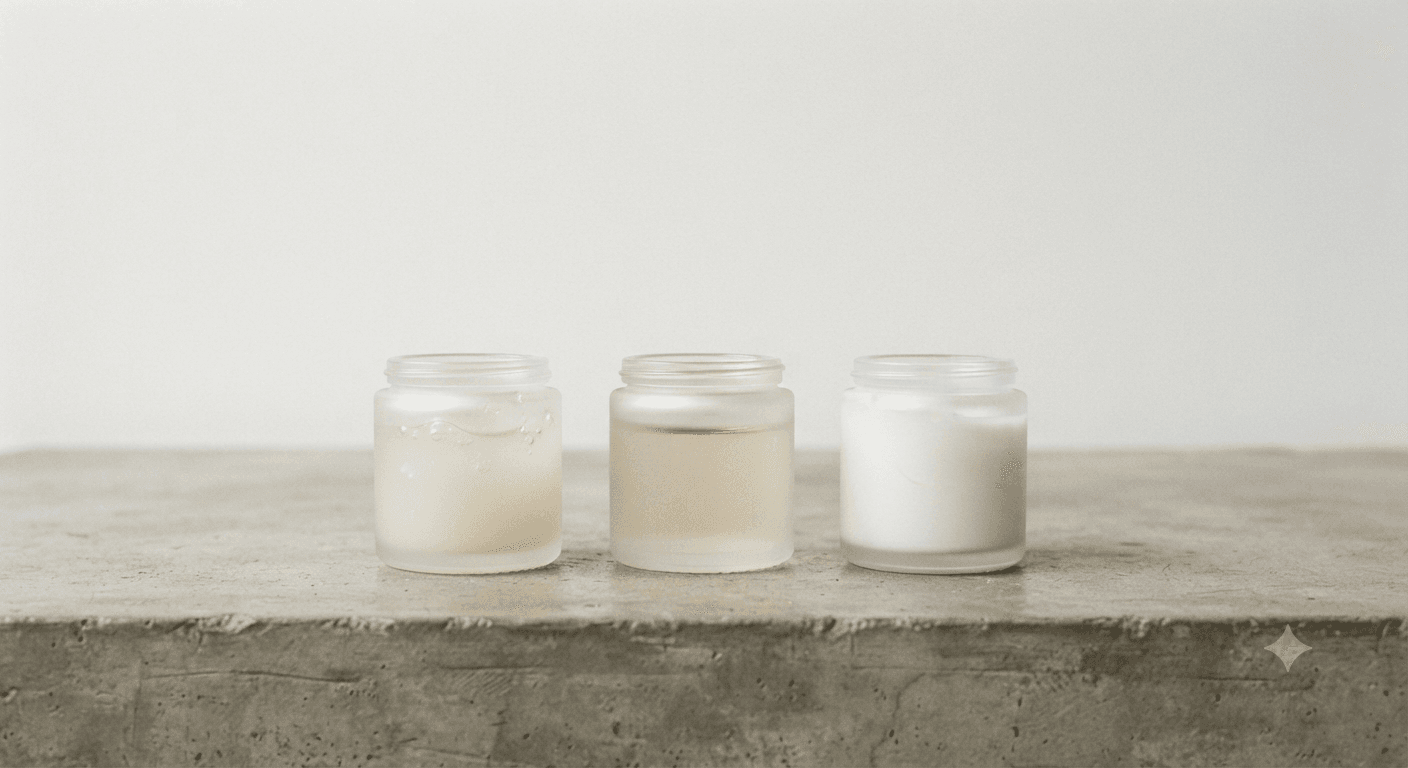
Three surfactant fluids representing multiple surfactants in one cleansing system

Multiple surfactants show up in most modern cleansers because one surfactant alone rarely balances cleansing power, mildness, and rinse feel. Here is the chemistry behind why formulas combine them.

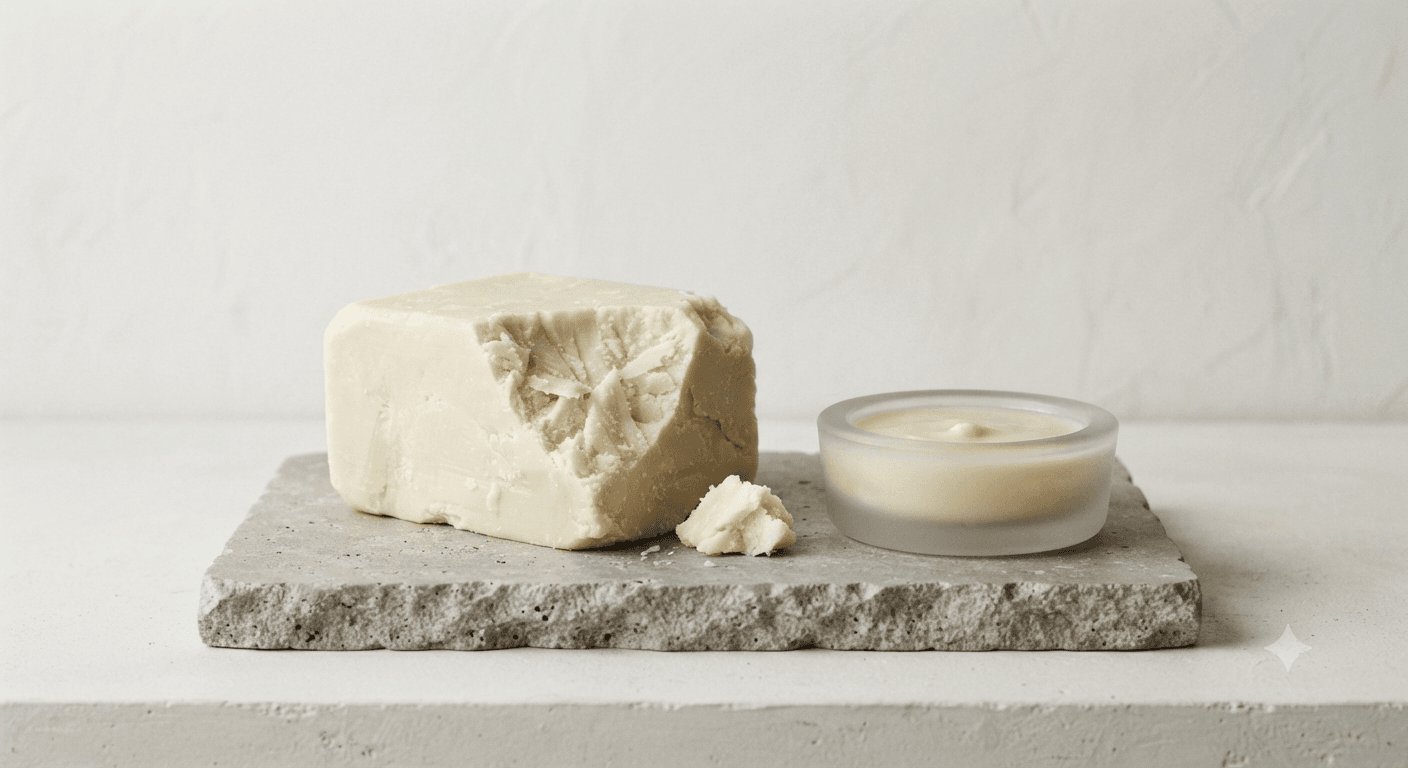
What Is Kokum Butter and Why Is It Used in Night Creams?

Solid and melted Kokum Butter showing its structural role in formulation

Kokum Butter is often listed without explanation of what it actually does in a formula. Here is the structural, fatty-acid-level reason it appears in night creams rather than day formulas.

Is Jojoba Oil Actually Good for Oily Skin?

Jojoba oil texture on matte stone surface for oily skin

Jojoba oil is frequently avoided by people with oily skin, based on the assumption that any oil will worsen shine or breakouts. This article explains why its molecular structure behaves differently from most plant oils, and what that means for oily and combination skin.

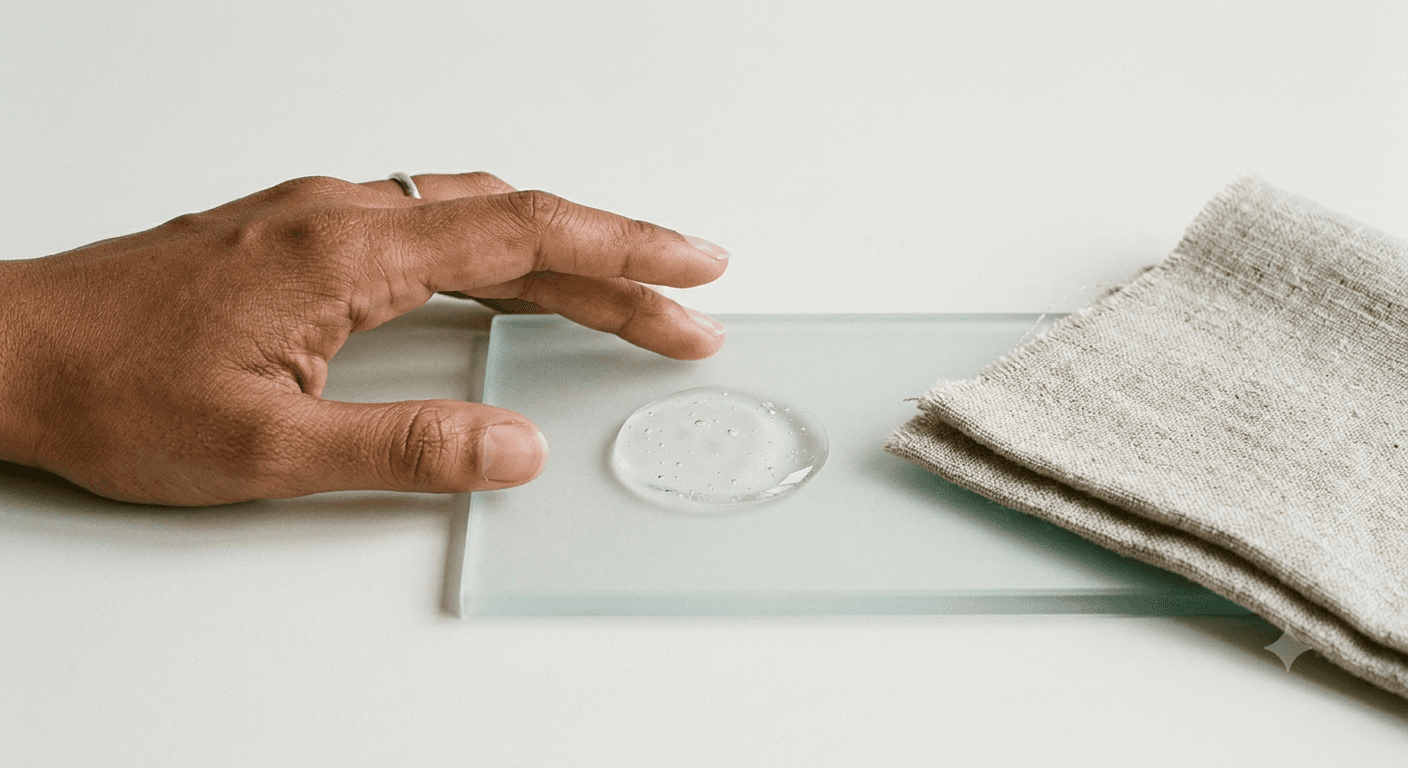
Why Propanediol Is Replacing Glycerin in Skincare

Propanediol humectant gel texture on matte ceramic surface

Propanediol is often used instead of glycerin for a lighter, less tacky humectant effect, but the two rarely fully replace each other in a well-built formula. This article explains why the substitution happens and what it means for how a moisturizer performs across Indian seasons.

Is Decyl Glucoside Actually Gentle? What the Science Says

Decyl glucoside mild cleansing gel texture on a matte stone surface

Decyl glucoside is frequently marketed as a gentle surfactant, but its mildness depends on the surrounding formulation, not the ingredient in isolation. This article explains the underlying chemistry and how it holds up under Indian climate conditions.

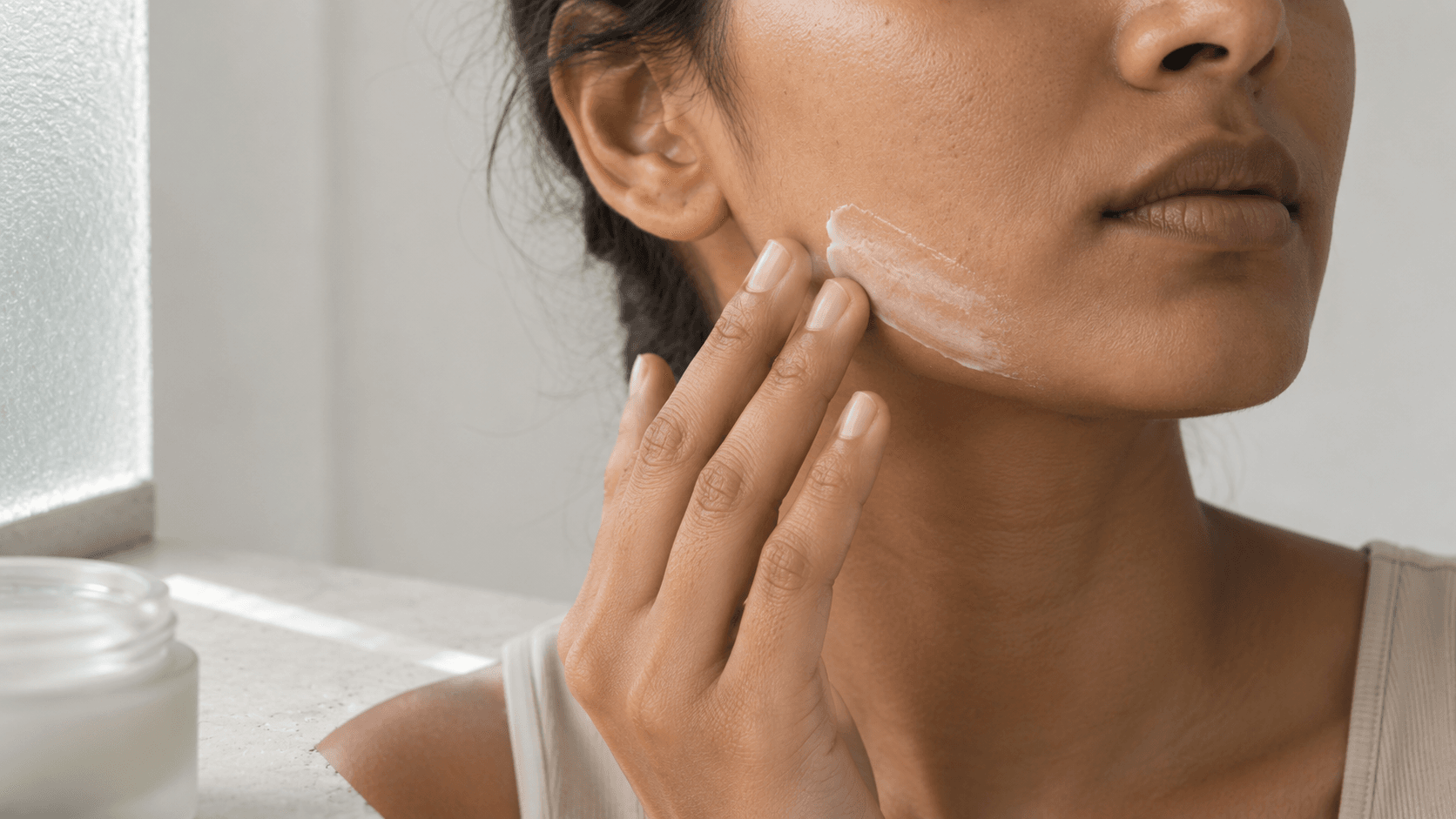
Why Cocoa Butter Feels Rich but Fades by Noon

Close-up of cocoa butter cream application illustrating occlusive versus humectant hydration

Cocoa butter is often sold on richness, but richness and lasting hydration work through different mechanisms. This article explains why an occlusive fat needs a humectant partner to actually hold water in skin.

Why Your Moisturiser Needs Fatty Acids to Work

Close-up of skin barrier lipid application illustrating the role of fatty acids in skin repair

Fatty acids make up a third of the lipid structure that holds the skin barrier together, yet most creams are marketed on texture rather than lipid ratio. This article explains why a rich-feeling cream can still leave a barrier under-repaired.