Why Hydrating Ingredients In Face Wash Actually Work
Face wash removes more than dirt — it can strip moisture too. This article explains why hydrating ingredients are added to cleansers and what that means for skin in Indian conditions.

Explains how cleansers interact with skin. Focuses on surfactants, cleansing systems, and how to clean without disrupting the skin barrier.
Face wash removes more than dirt — it can strip moisture too. This article explains why hydrating ingredients are added to cleansers and what that means for skin in Indian conditions.
Face cleansing is the first step in every skincare routine, but the reason goes beyond removing visible dirt. Understanding what cleansing does to the skin barrier explains why routine order matters as much as the products themselves.
Foam in a cleanser doesn’t signal cleansing strength. Discover the science behind surfactants and why mild systems clean more effectively.

Cleanser pH determines whether your skin barrier remains stable or becomes more permeable during washing. In Indian conditions, where hard water, humidity shifts, and frequent cleansing are common, this directly influences TEWL, hydration loss, and post-wash tightness.

What makes a cleanser gentle on the skin barrier? Learn how cleansing affects your skin and how to choose a cleanser that cleans without causing dryness or irritation.
Most cleansers focus on removing oil—but ignore what your skin needs to retain. Learn how to choose a barrier-safe cleanser that cleans effectively without disrupting hydration, especially in Indian climates.
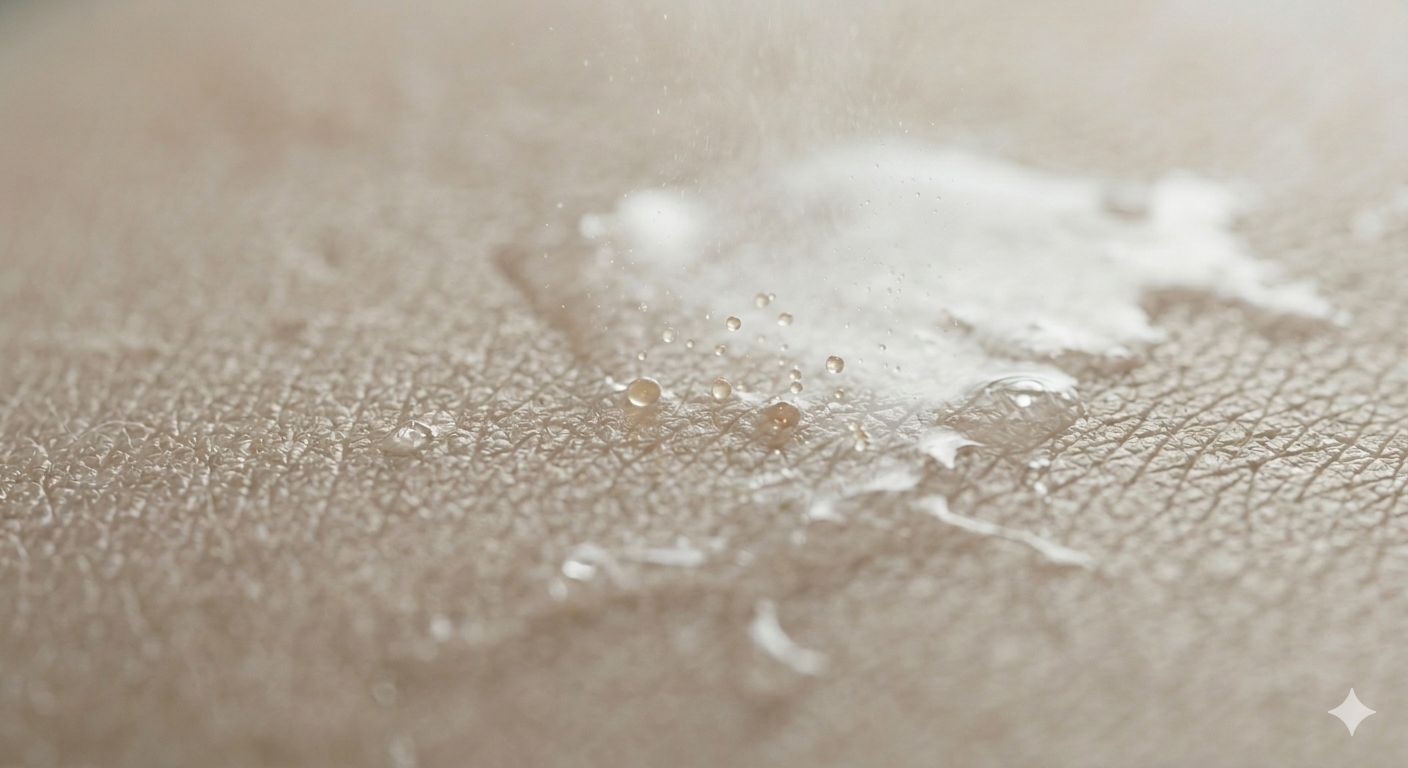
The Problem Cleansing is often treated as the simplest step in a skincare routine. But it is also one of the most misunderstood. Many people notice that after washing their face, their skin feels tight, dry, or unusually “clean.” This is often mistaken for effectiveness. In reality, it raises a more important question: If cleansing … Read more
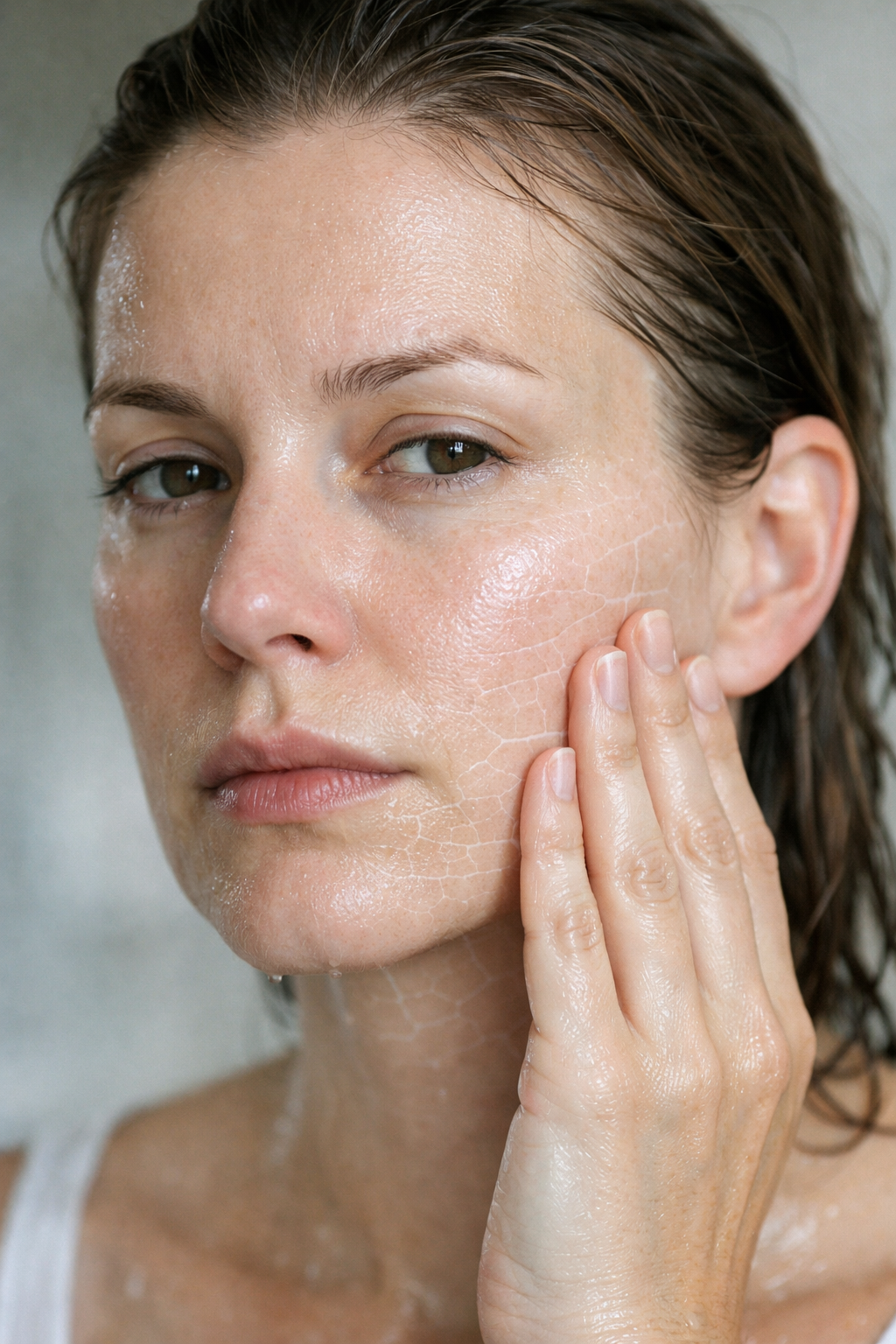
Many people notice that their skin feels very clean immediately after washing. However, within minutes, it often begins to feel tight, dry, or slightly uncomfortable. This sensation is commonly interpreted as a sign of effective cleansing. In reality, it often indicates that essential components of the skin have been removed along with surface impurities. A … Read more