What Really Controls Gel Cleanser Texture?
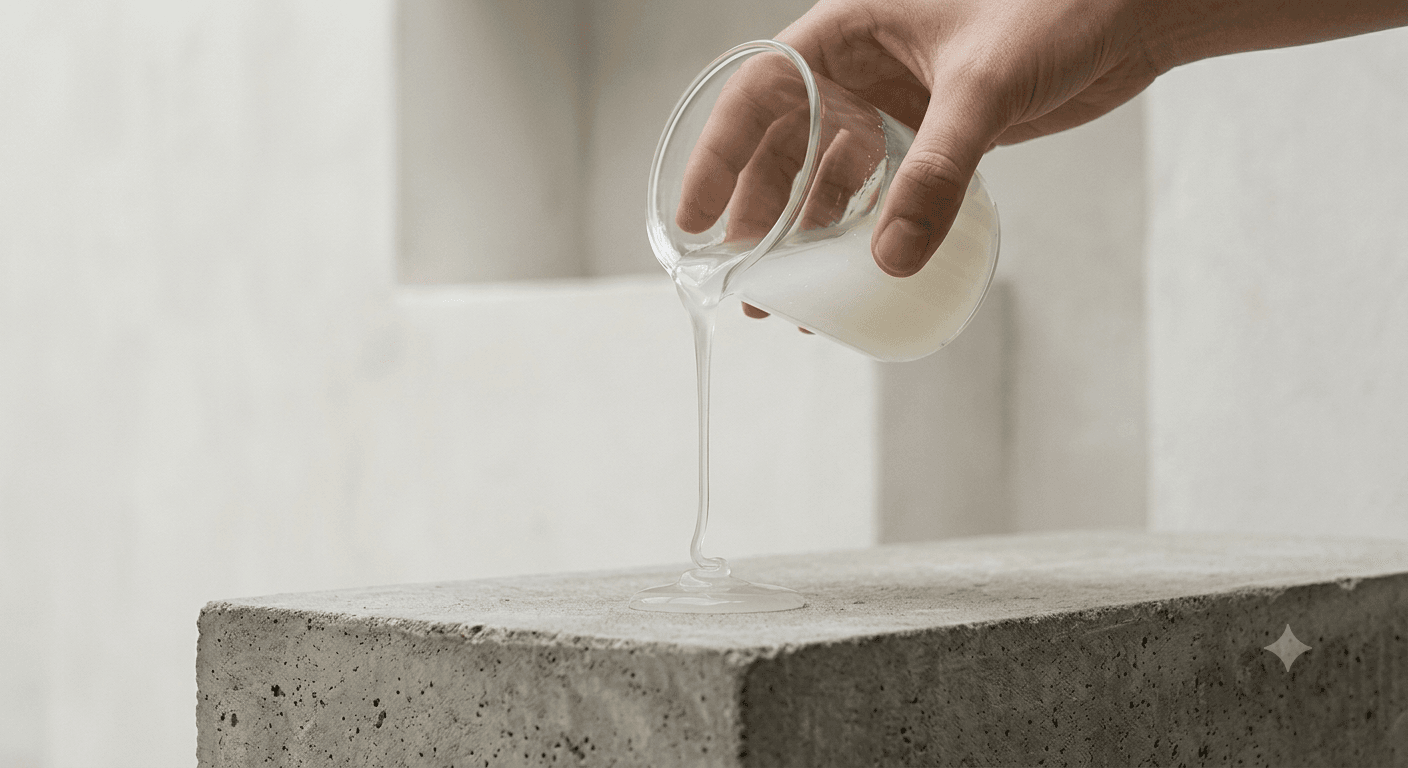
Gel cleanser texture is not decided by one ingredient, but by a small system of thickeners working together. Here is what actually controls how a gel pours, feels, and holds up over time.

Explains how skincare products are designed. Covers emulsions, ingredient interactions, stability, and how complete formulations deliver results.
Gel cleanser texture is not decided by one ingredient, but by a small system of thickeners working together. Here is what actually controls how a gel pours, feels, and holds up over time.
Skincare product separation — when a cream splits or a serum turns grainy — is a formulation failure, not a storage coincidence. This article explains the emulsion chemistry behind why it happens and what formulations must do to prevent it in Indian conditions.
Preservatives in skincare are a safety requirement, not a marketing variable. This article explains why water-based formulas without effective preservation systems carry real microbial risk — and what to look for on a label before you buy.
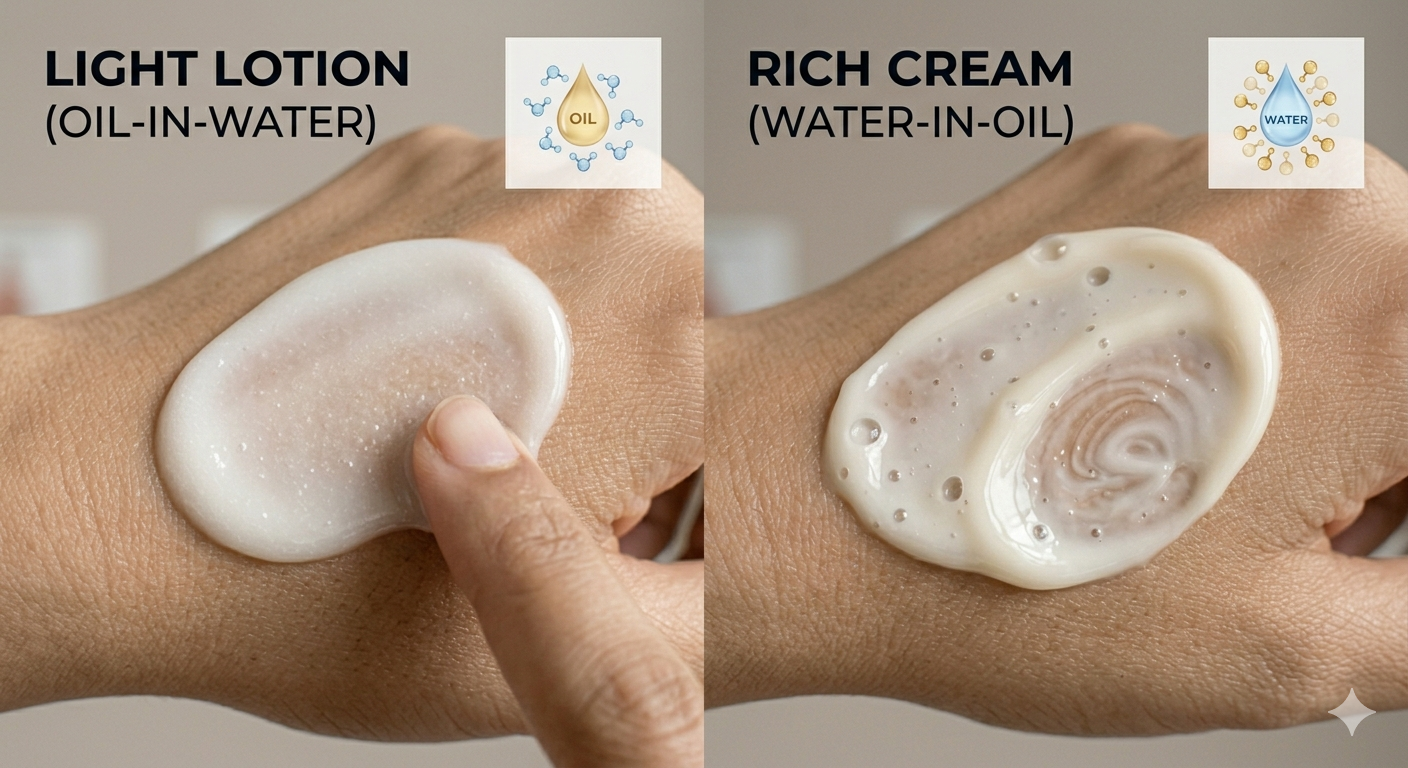
Learn the difference between oil-in-water and water-in-oil emulsions and how they affect texture, hydration, and skin feel. Understand how formulation structure changes how moisturizers perform.
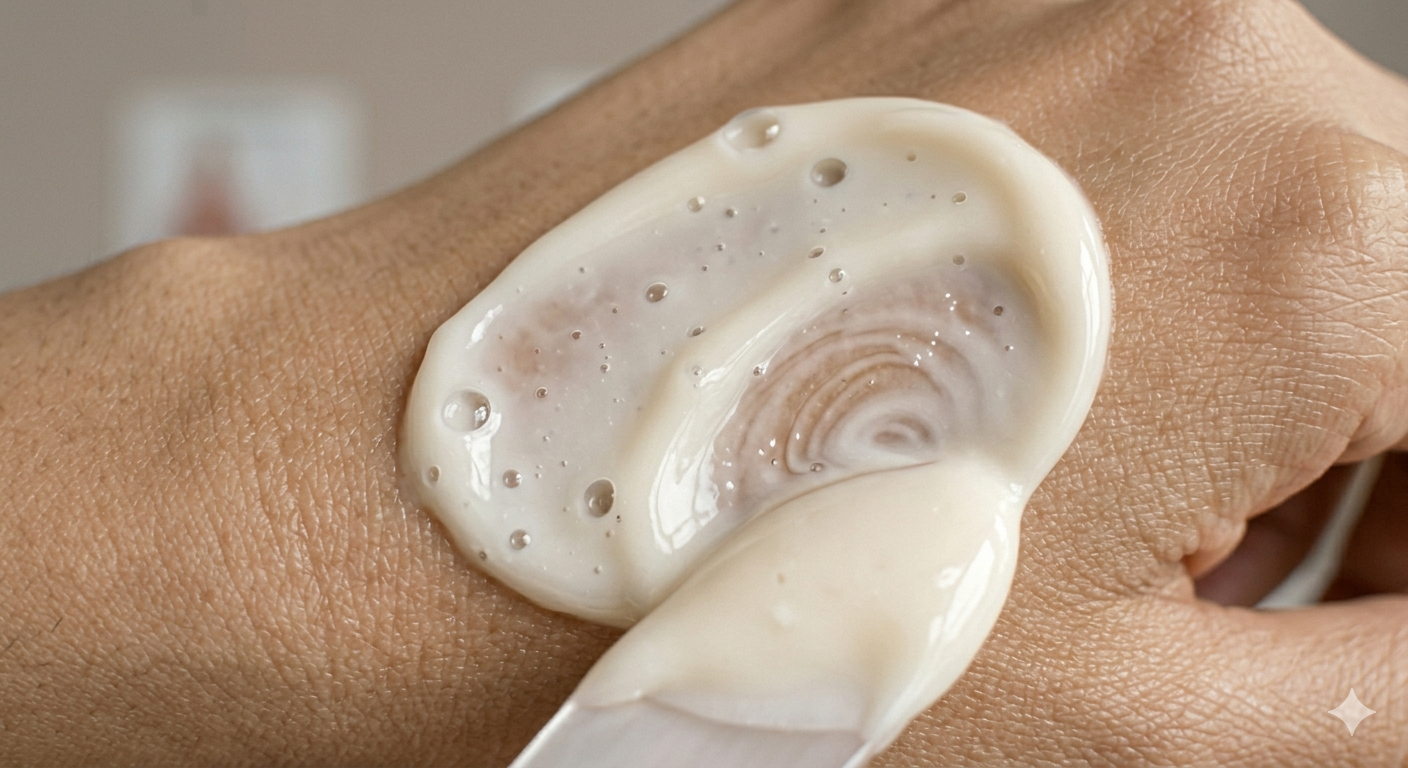
Learn what an emulsion is in skincare and how it combines water and oil into a stable system. Understand why emulsions feel different and how formulation affects hydration and skin comfort.
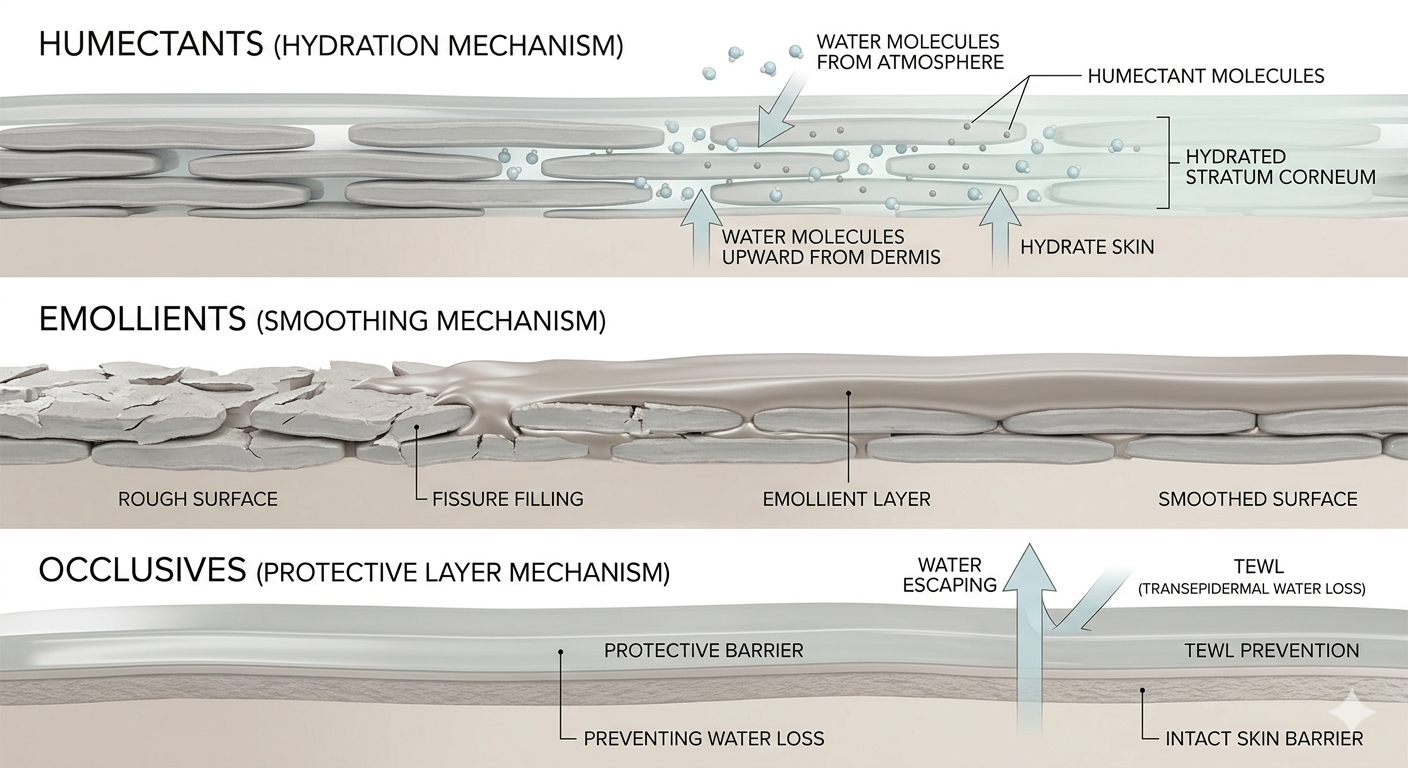
What is a skincare formulation and why does it matter more than ingredients? Learn how formulation affects how products feel, perform, and work on your skin.
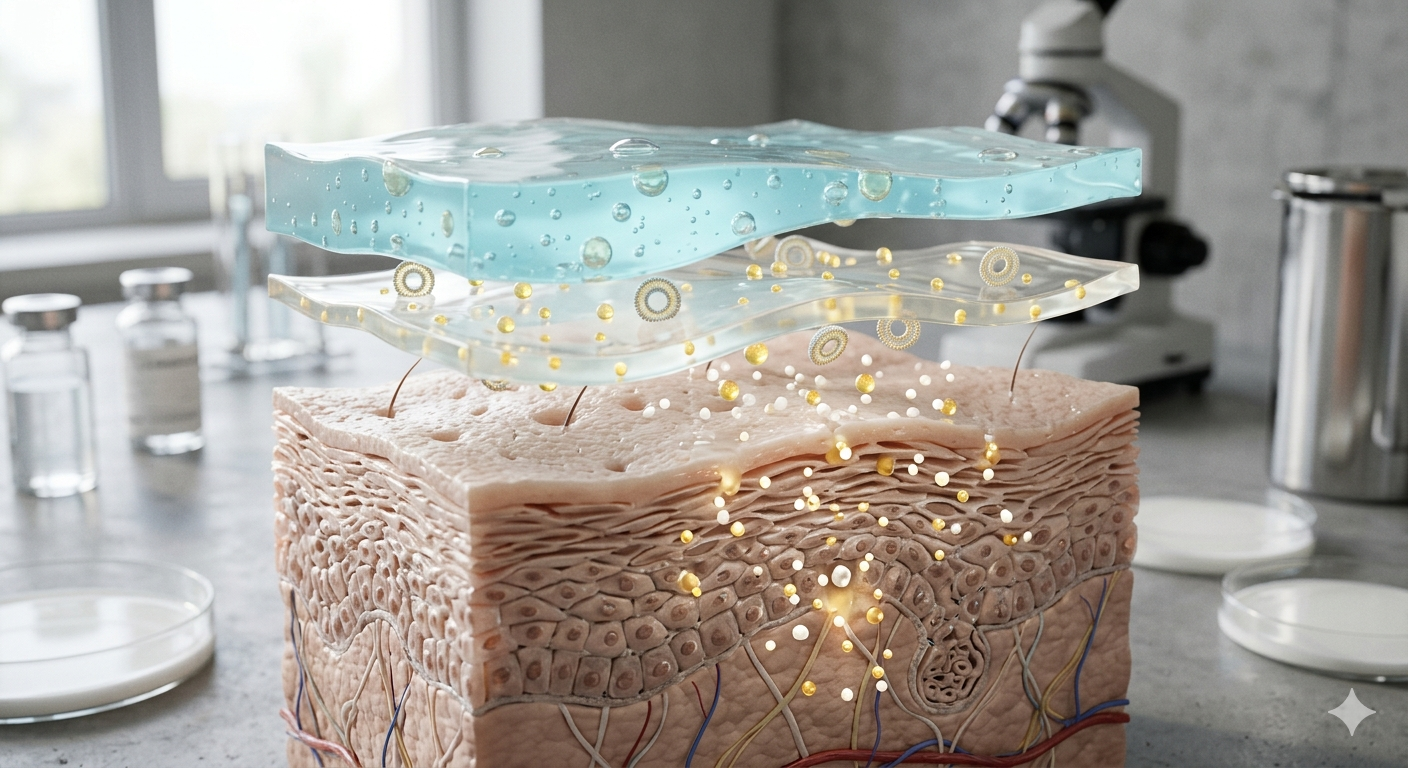
The Problem Most skincare advice focuses on ingredients. People ask: But even the best ingredients can underperform in a weak formulation. 👉 A skincare product is not defined by a single ingredient.It is defined by how the entire formulation works together. Understanding this changes how you evaluate skincare—from ingredient lists to complete systems. What Is … Read more