
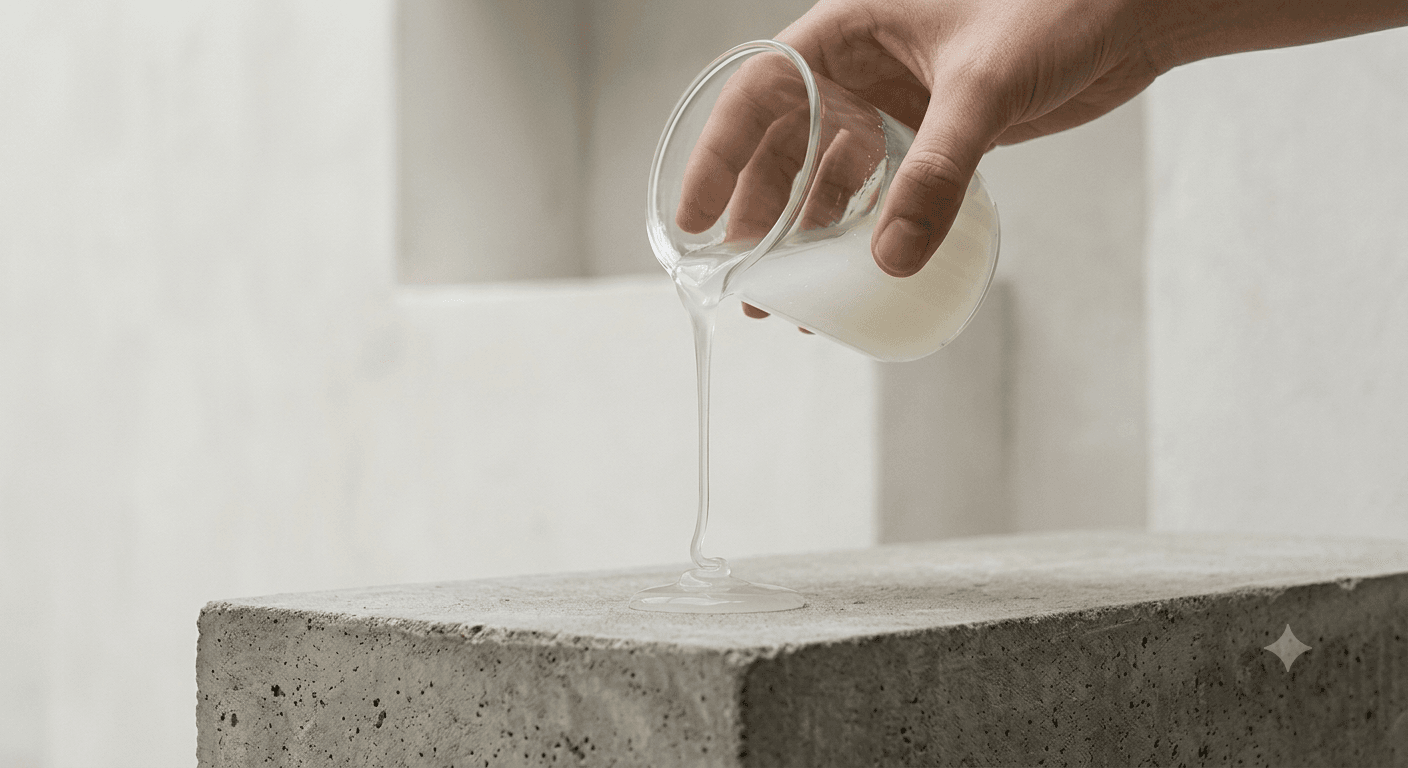
Gel cleanser texture is decided long before a bottle reaches a shelf, through a small rheology system most people never notice. A face wash can look thick and still feel watery on skin, or the reverse. That mismatch usually traces back to how the formula’s thickeners were chosen, not to the cleanser being poorly made.
Why Some Gel Cleansers Feel Wrong From the First Pump
People notice texture before they notice anything else about a cleanser, since it is the first thing felt at the sink. A mismatch between look and feel creates doubt about the whole product.
Common complaints include:
- A gel that looks rich in the bottle but turns watery on wet hands
- A formula that feels slippery but never builds any lather
- Texture that changes between one batch and the next
- A gel that pills or breaks apart during application
These are not random inconsistencies. They point to how the underlying rheology system, the ingredients that control thickness and flow, was built.
The Science Behind Gel Cleanser Texture
Rheology is the study of how a substance flows. In a cleanser, rheology decides whether a gel pours slowly, sits on the palm, or runs straight through fingers.
Water alone has almost no structure. To turn a watery surfactant solution into a gel, formulators add polymers, long molecular chains that trap water between them and slow its movement. This is what creates thickness without adding oil.
Two common polymer types are cellulose derivatives and gum-based thickeners. Cellulose derivatives form a smooth, stretchy network. Gum-based thickeners form a looser, more elastic network. Combining both gives a gel that feels substantial without becoming sticky or stringy.
Salt also changes gel cleanser texture in surfactant-based systems. Adding a small amount of salt increases viscosity by changing how surfactant molecules pack together in water. Too much salt has the opposite effect and thins the gel instead.
How a Rheology System Is Built, Not Just One Thickener
No single thickener carries a gel cleanser on its own. Formulators typically combine two or three rheology ingredients, each contributing a different property, rather than raising the dose of one ingredient to reach the desired thickness.
A cellulose derivative might control overall body, a gum might add elasticity and slip, and a starch-based thickener might stabilize the gel so it does not separate over time or across temperature changes during shipping and storage.
The nuanced point most explanations skip: thickness and stability are not the same goal. A gel can be thick immediately after manufacturing and still separate or thin out over months on a shelf, if the rheology system was chosen only for initial feel rather than for long-term stability across a full hydration and rest period during production.
How to Judge a Gel Cleanser Beyond First Impressions
- Do not judge thickness in the bottle alone, since gels are shear-thinning and always feel thinner once worked between wet hands.
- Check if the formula separates after storage in heat, since poor rheology stability shows up over weeks, not on day one.
- Notice if lather and thickness track together, since a well-built gel usually keeps both consistent from the first use to the last.
- Avoid assuming a runnier gel is diluted or weaker, since viscosity target and cleansing performance are controlled separately in a formula.
Climate Relevance for Indian Skin
Heat and sweat cycles common through most of the Indian year mean a cleanser is often used two or three times a day. A rheology system has to hold its texture across repeated daily use in warm bathroom conditions, not just in a single controlled test.
Hard water, common across many Indian cities, contains minerals that can interact with both surfactants and thickeners. A poorly balanced system can thin out or feel gritty when used with harder water sources.
Humidity and monsoon shifts change ambient moisture across the year, which affects how a gel feels on damp versus dry skin. A stable rheology system keeps gel cleanser texture consistent regardless of the humidity level in the bathroom that day.
Where This Fits Into a Cleansing Formula
Nature Theory builds gel cleanser texture from a combined rheology system rather than a single thickener, so the gel holds its consistency across storage and repeated use. This system works alongside the surfactant blend rather than being added afterward to fix texture. The goal is a formula that behaves the same way in month one as it does after months on a shelf.
Summary
Gel cleanser texture comes from a small system of thickeners working together, not from one standout ingredient or from how rich a formula looks in the bottle. Cellulose derivatives, gums, starches, and even salt each play a distinct role in how a gel flows, feels, and holds up over time. Texture is a formulation decision, not an accident of manufacturing.
Frequently Asked Questions About Gel Cleanser Texture
Why does my gel cleanser feel watery even though the bottle looks thick?
Gels are shear-thinning, meaning they thin out once rubbed between wet hands, which is a normal part of how the system was designed. This does not mean the formula is diluted or lower quality.
Does hard water in cities like Delhi or Hyderabad change how a gel cleanser feels?
Yes, minerals in hard water can interact with both the surfactant and thickening system, sometimes making a gel feel thinner or grittier than intended. A well-balanced system reduces this effect but cannot remove it completely.
Why does texture sometimes change between bottles of the same cleanser?
Small batch-to-batch differences in hydration time or storage temperature can affect how fully the thickening system develops. This is more common in poorly stabilized formulas than in ones built from multiple rheology ingredients.
Does heat and humidity in Indian summers affect gel cleanser texture over time?
Extended heat exposure during storage can affect thickeners that were not chosen for stability, causing a gel to thin or separate. A system built for warm climate storage holds up better across a full Indian summer.
Latest Posts
Continue learning how skincare works.
We explain ingredients, formulation systems, and climate-based skincare in a structured way.