Is Jojoba Oil Actually Good for Oily Skin?

Jojoba oil texture on matte stone surface for oily skin

Jojoba oil is frequently avoided by people with oily skin, based on the assumption that any oil will worsen shine or breakouts. This article explains why its molecular structure behaves differently from most plant oils, and what that means for oily and combination skin.

Why Propanediol Is Replacing Glycerin in Skincare

Propanediol humectant gel texture on matte ceramic surface

Propanediol is often used instead of glycerin for a lighter, less tacky humectant effect, but the two rarely fully replace each other in a well-built formula. This article explains why the substitution happens and what it means for how a moisturizer performs across Indian seasons.

Is Decyl Glucoside Actually Gentle? What the Science Says

Decyl glucoside mild cleansing gel texture on a matte stone surface

Decyl glucoside is frequently marketed as a gentle surfactant, but its mildness depends on the surrounding formulation, not the ingredient in isolation. This article explains the underlying chemistry and how it holds up under Indian climate conditions.

Preservatives in Skincare: What No Brand Tells You

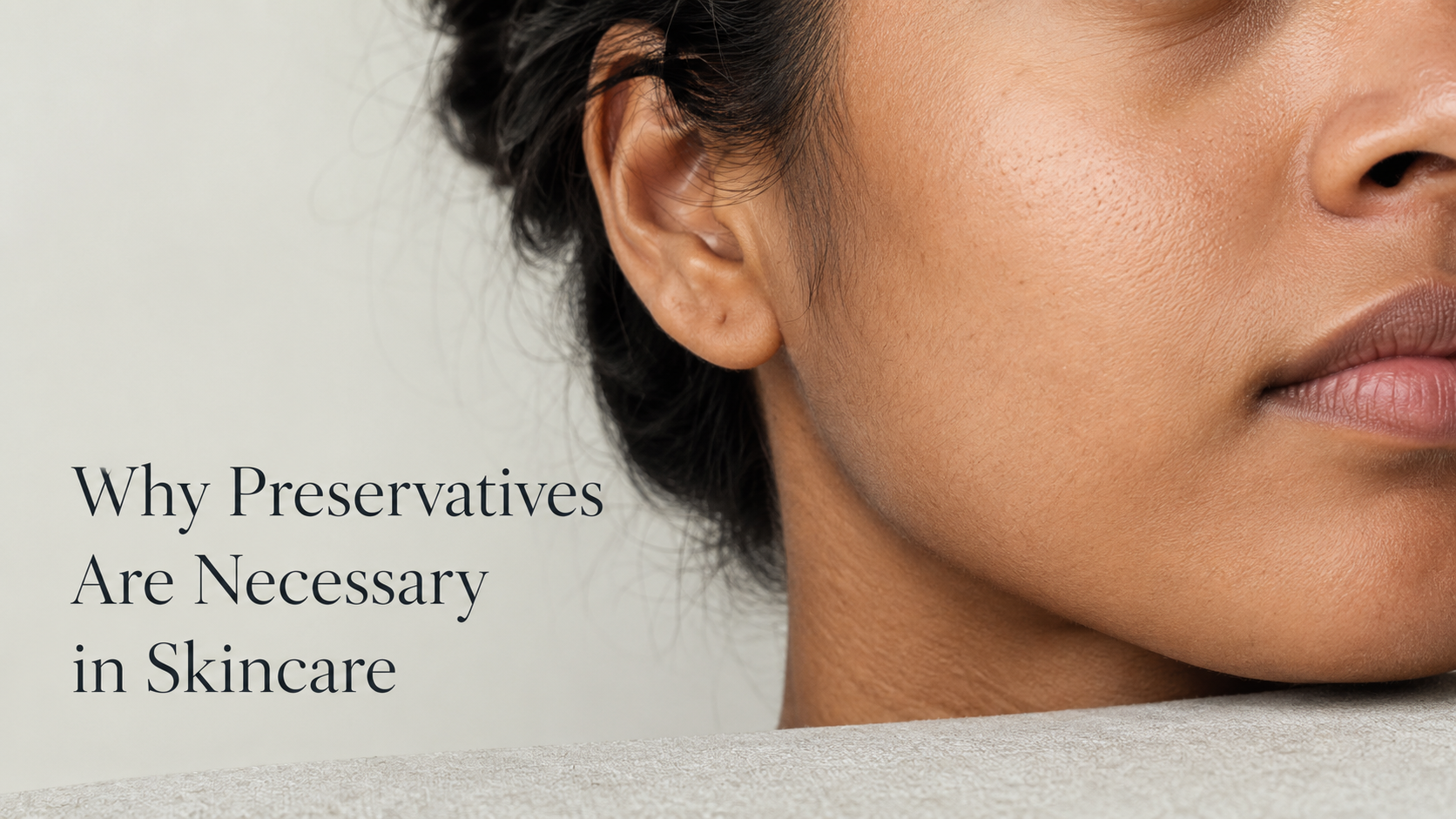
Indian skin close-up illustrating why preservatives in skincare are essential for formula safety and microbial stability

Preservatives in skincare are a safety requirement, not a marketing variable. This article explains why water-based formulas without effective preservation systems carry real microbial risk — and what to look for on a label before you buy.

What Is Sodium PCA and Why Does Skin Need It

Sodium PCA role in skin hydration — close-up of Indian facial skin showing natural texture and dehydration

Sodium PCA is a naturally occurring compound that forms part of the skin’s own hydration system. Understanding how it works — and how Indian conditions deplete it — explains why some moisturisers fail to keep skin comfortable through the day.

Why Your Hydrating Serum Stops Working — Sodium Hyaluronate vs Hyaluronic Acid Explained

Hydrating serum showing sodium hyaluronate vs hyaluronic acid formulation concept

Users searching this topic want to understand the real difference between sodium hyaluronate and hyaluronic acid and why hydration products may not work as expected. They are looking for clear, science-based explanations that help them choose better formulations.

What Does Niacinamide Do in Skincare Formulations

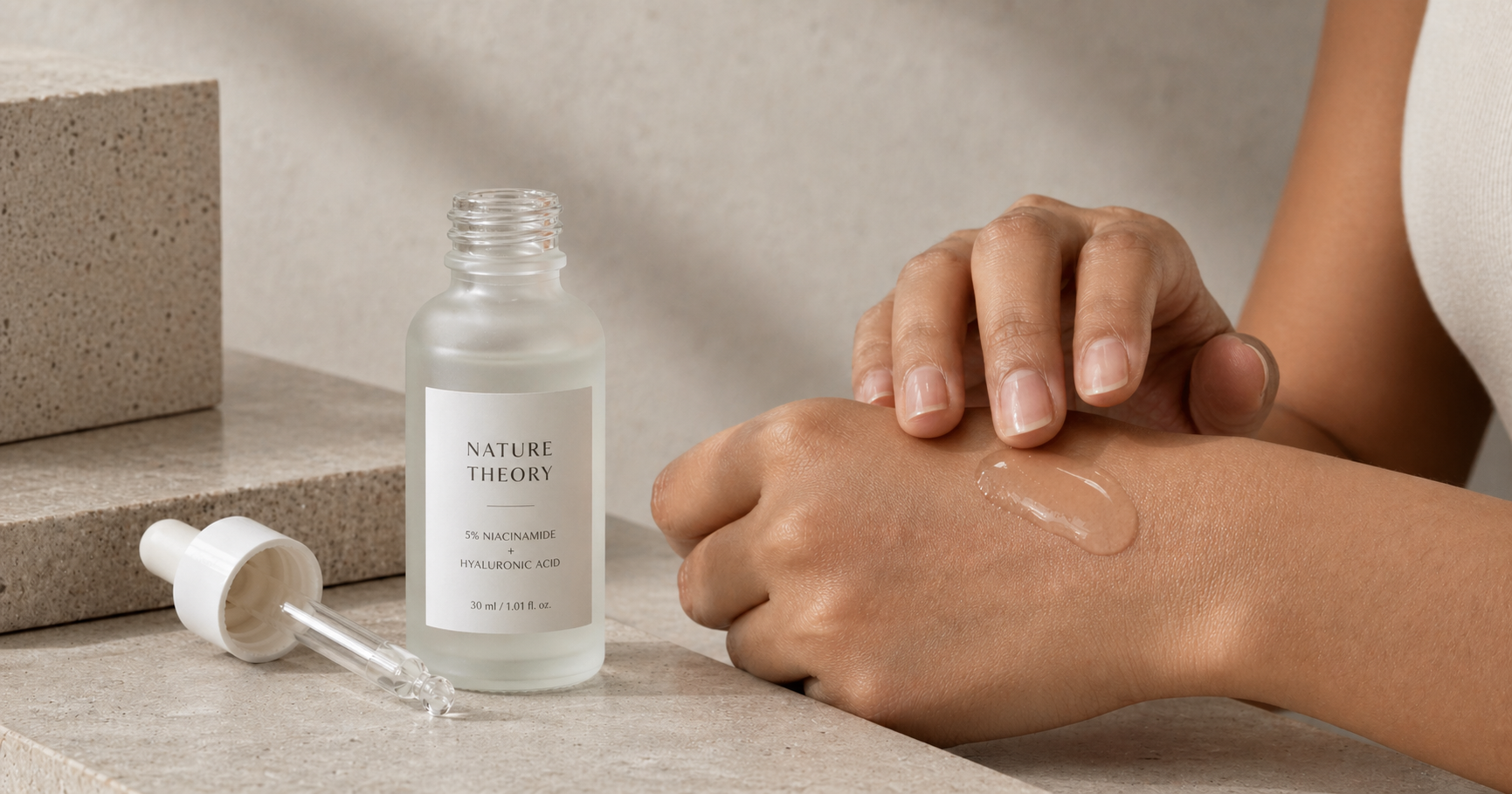
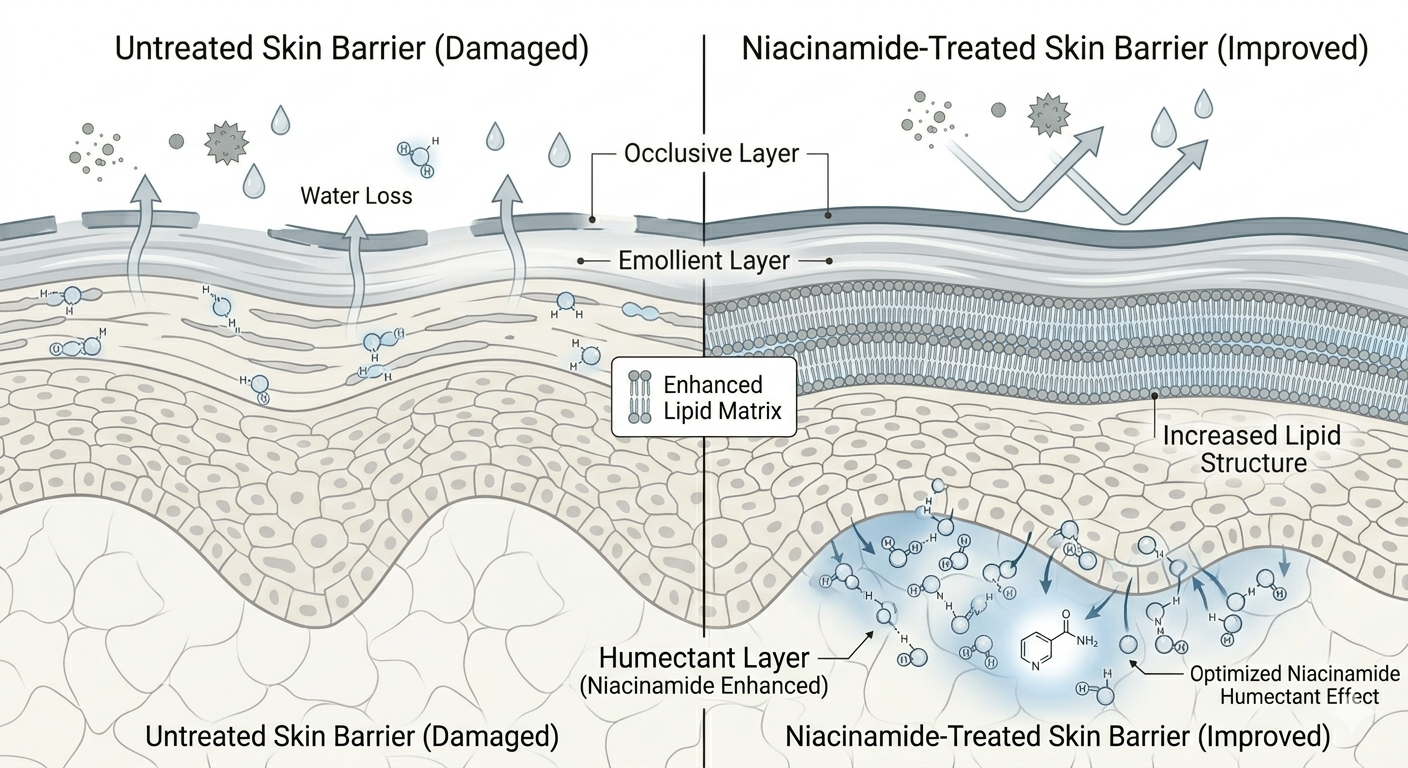
Niacinamide supporting skin barrier and reducing water loss

Niacinamide is often seen as a multi-benefit ingredient, but its role in skincare is more subtle and structural than most expect. Instead of delivering instant visible changes, it works by supporting the skin’s barrier, improving lipid balance, reducing water loss, and regulating oil production over time. This article explains how niacinamide functions within a formulation, why it performs best as part of a system, and how it helps maintain stable, comfortable skin in real conditions like heat, humidity, pollution, and air-conditioned environments.